Celebrating 25 years of the 911 GT3, we take a look at the history of the iconic model
Copy link
Share on Facebook
Share on X
Share on LinkedIn
25 years ago, the first 911 GT3 marked a new era for Porsche – and became a sportscar that has evolved into a true icon
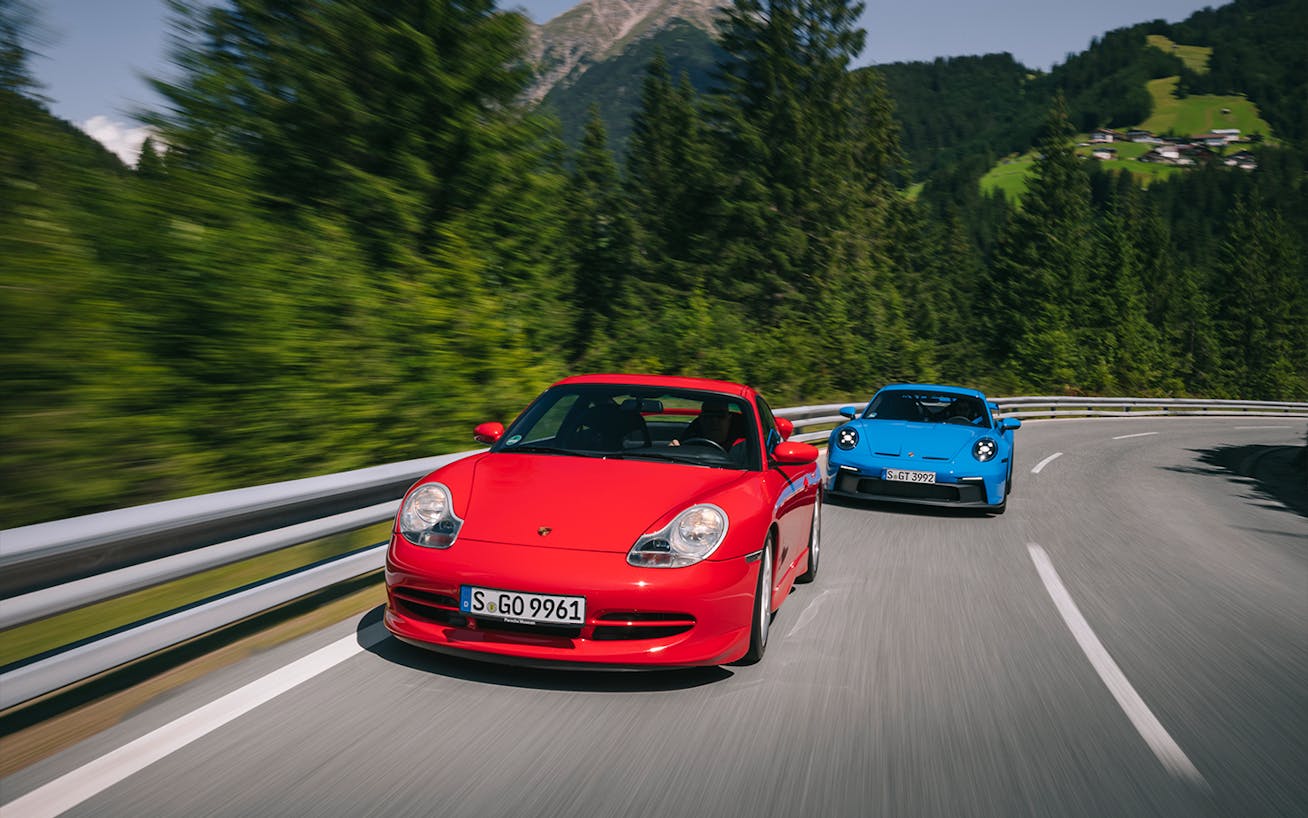
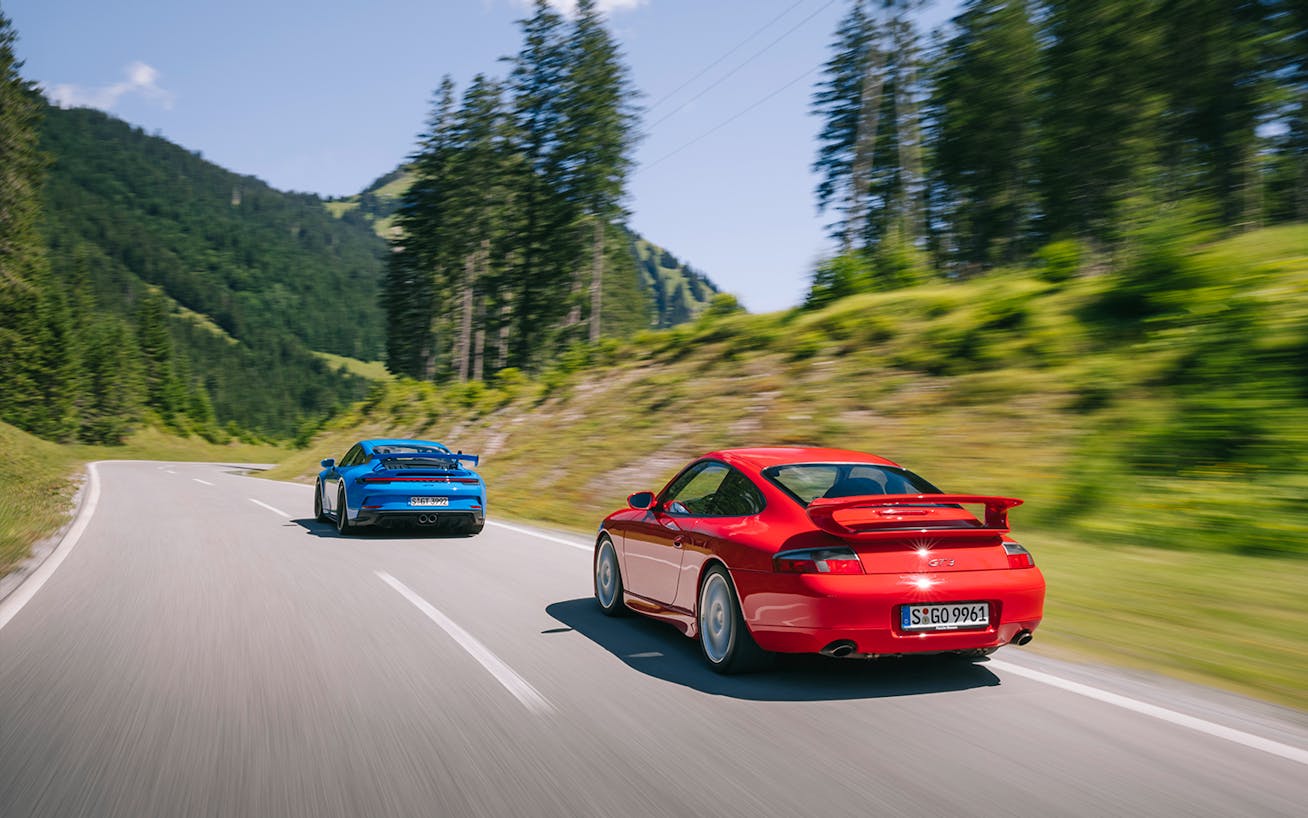
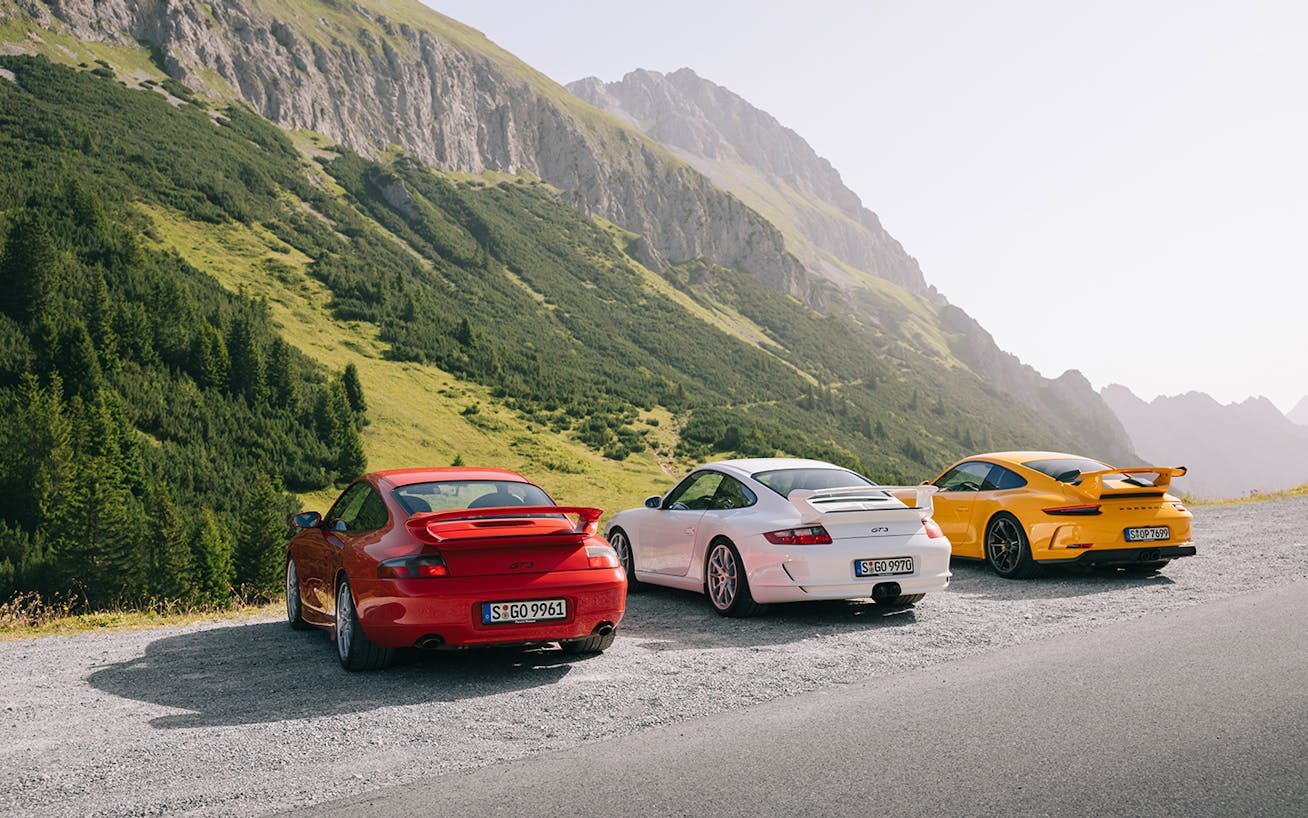
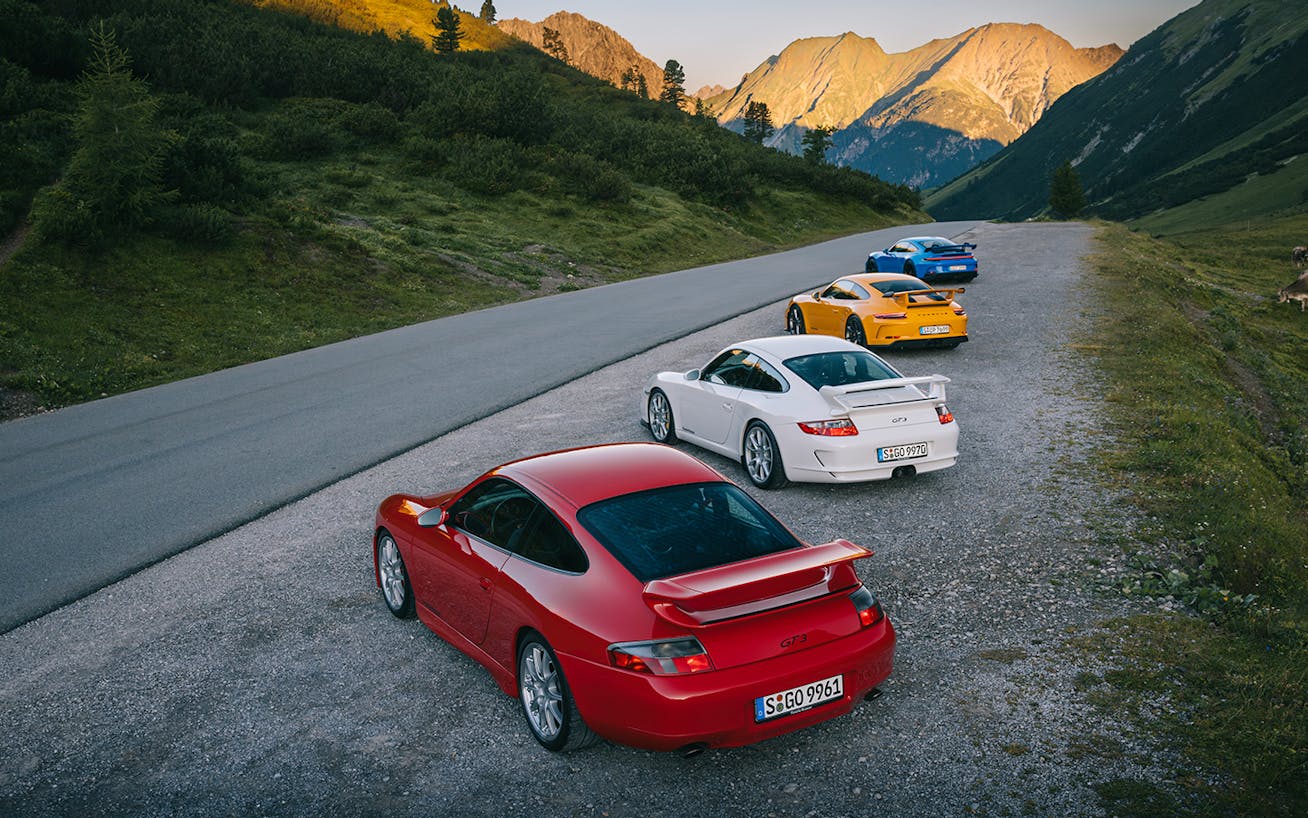
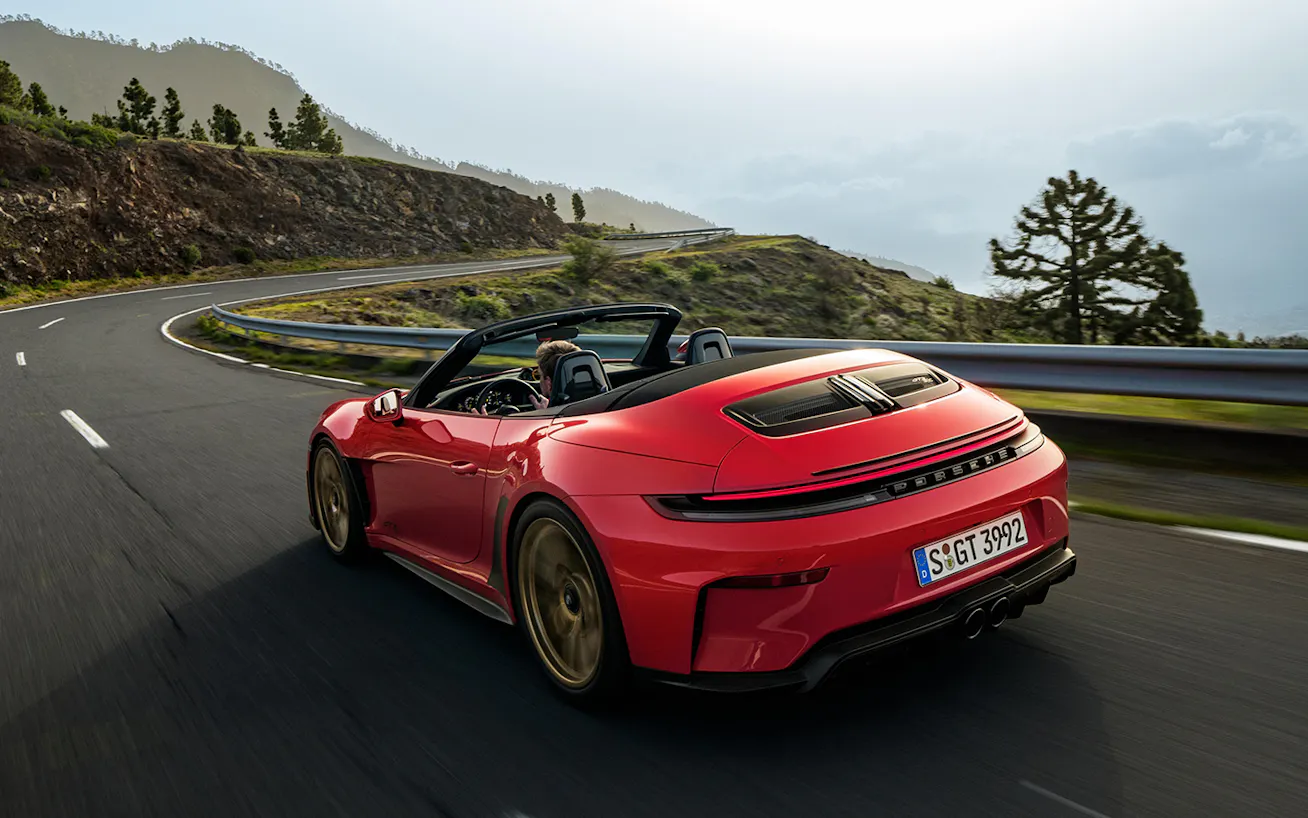
In the quarter of a century since it was launched in 1999, the Porsche 911 GT3 has become synonymous with thrilling performance and uncompromising precision – qualities that are the result of Porsche engineering innovation developed over many decades. When the first GT3 made its debut in 1999, it introduced a new chapter in the 911 story – a road-ready race car that followed in the footsteps of the vaunted Carrera RS models. Over its first 25 years, the GT3 has evolved across multiple generations, becoming faster, lighter and more refined with each new model, while always staying true to its roots as the ultimate sportscar for the purist. 911 GT3 (type 996.1 and type 996.2) • 1999-2005 Unveiled at the 1999 Geneva International Motor Show, the 911 GT3 (type 996) was engineered to deliver a motorsport-like experience on the road. Powered by a 3.6-litre, naturally aspirated boxer engine derived from the 911 GT1 race car, it became the first road-legal car to lap the Nürburgring Nordschleife in under eight minutes, where it was driven by motorsport legend and Porsche ambassador, Walter Röhrl. With lightweight materials, adjustable suspension and an advanced racing brake system, it was a purist’s dream when it came to both track and road use. Type 996.1 Top speed 302 km/h0-100 km (0-62 mph) 4.8s Engine size 3.6 litres Power 360 PSWeight 1350 kg Type 996.2Top speed 306 km/h 0-100 km (0-62 mph) 4.5s Engine size 3.6 litres Power 381 PSWeight 1380 kgThe 911 GT3 (type 996.1) generation leading the way, ahead of the 911 GT3 (type 992.1). Each new generation of the 911 GT3 utilises race-proven engineering to deliver breathtaking performance on road and on track Photo: Porsche911 GT3 (type 997.1 and type 997.2) • 2006-2011 Debuting in 2006, the type 997 generation of the 911 GT3 was powered by a 3.6-litre, six-cylinder boxer engine that upped the power to 415 PS and could rev up to 8,400 rpm. It was also the first to feature Porsche Active Suspension Management (PASM), which offered an adaptable driving experience by combining everyday comfort with race-ready responsiveness. Visually, it introduced a distinctive black-painted radiator vent in front of the luggage compartment lid, which became a signature detail of the model. A key feature of this generation was its improved aerodynamics, with a newly designed rear wing, front spoiler lip and underbody that significantly enhanced downforce, ensuring better grip and stability at high speeds. Additionally, Porsche Traction Control, adopted from the Carrera GT, further elevated its handling performance. Type 997.1Top speed 310 km/h 0-100 km (0-62 mph) 4.3s Engine size 3.6 litres Power 415 PSWeight 1395 kg Type 997.2Top speed 312 km/h 0-100 km (0-62 mph) 4.1s Engine size 3.8 litres Power 435 PSWeight 1395 kgWhether taking on the Nürburgring Nordschleife or navigating twisty mountain roads, every GT3 model is focused on delivering performance with passion Photo: Porsche911 GT3 (type 991.1) • 2013-2016 The third generation of the 911 GT3 arrived in 2013, powered by 475 PS, 3.8-litre boxer engine – part of a new engine family that introduced direct petrol injection and was capable of reaching an exhilarating 9,000 rpm. Use of lightweight materials in its construction were key to further boosting performance, allowing the car to sprint from 0-100 km/h (0-62 mph) in just 3.5 seconds. But while it was ferociously quick in a straight line, its ability to negotiate twisty roads and snaking race circuits is what sets the GT3 apart. On the Nürburgring’s legendary Nordschleife – the testing ground for many a Porsche automotive innovation – the 911 GT3 (type 991.1) generation recorded a stunning lap time of just under 7 minutes 30 seconds minutes, with a top speed of 315 km/h. Top speed 315 km/h0-100 km (0-62 mph) 3.5s Engine size 3.8 litres Power 475 PSWeight 1430 kg In 1999, Porsche presented a new car that would reset expectations for high-performance sportscars. A quarter of a century later, and over five iterations, the GT3 has achieved icon status Photo: Porsche911 GT3 (type 991.2) • 2017-2019 The type 991.2 generation of the 911 GT3 upped the ante for the model even further. Its 4.0-litre, naturally aspirated boxer-six engine produced 500 PS, almost identical to that of the 911 GT3 Cup race car. To handle that kind of power, the chassis was redesigned with rear-wheel steering and a focus on lightweight construction. In terms of configurations, customers could either stick with the quick-shifting PDK dual-clutch transmission or a seven-speed manual gearbox. Improved aerodynamics played a big role too, with the addition of a striking carbon fibre rear wing that left little doubt as to its sporty credentials. Inside, the GT3 kept things stripped back, with a steering wheel inspired by the astounding 918 Spyder and, in a nod to its motorsport roots, concealed rear seats to make the car look and feel like a two-seater. Top speed 318 km/h0-100 km (0-62 mph) 3.4s Engine size 4.0 litres Power 500 PSThroughout its 25-year history, each 911 GT3 has remained true to its core principles: thrilling performance, precise handling and a design that emphasises its motorsport roots Photo: Porsche911 GT3 (type 992.1) • 2021-2025 Even more than its predecessors, the type 992.1 generation of the 911 GT3 featured a raft of Porsche racing technology. This included double wishbone front suspension pulled from the 911 RSR race car that dominated the world’s racetracks for many years. The distinctive swan-neck rear wing, adjustable for different track settings, and further advanced aerodynamics translated into a staggering performance on track. Indeed, during development, Porsche test driver Lars Kern clocked an incredible 6 minute 59.927 second lap at the Nürburgring Nordschleife in September 2020 – over a minute faster than the very first 911 GT3. Top speed 318 km/h (PDK), 320 km/h (manual)0-100 km (0-62 mph) 3.4s (PDK) Engine size 4.0 litres Power 510 PSWeight 1435 kg (PDK), 1418 kg (manual)911 GT3 (type 992.2) • 2025-present With the latest version of the 911 GT3, Porsche sets a new benchmark for high-performance sportscars. Further improved aerodynamics and suspension were key focuses of the new iteration of this now legendary model. In essence that means a redesigned front splitter and diffuser that combine to increase downforce, while a new rear wing enhances stability at high speeds. For the first time in the 911 GT3, a Weissach package is offered as an option, which consists of even more elements made from lightweight carbon fibre reinforced plastic (CFRP) to help elevate performance even further. The 911 GT3 Touring version – the model for those seeking a more understated look – also benefits from a Lightweight package option. Top speed 311 km/h (PDK), 313 km/h (manual) • 193 mph (PDK), 194 mph (manual)0-100 km (0-62 mph) 3.4s (PDK) • 3.9s (manual) Engine size 4.0 litres Power 510 PS (375 kW, 502 hp) Weight 1479 kg (PDK), 1462 kg (manual) • 3,278 lbs (PDK), 3,243 lbs (manual)The latest version of the 911 GT3 – the type 992.2 – is currently available in three versions. As well as the Coupé and Touring models, in April 2026 Porsche announced the launch of the new 911 GT3 S/C, the first-ever 911 GT3 convertible [credit Photo: Porsche]911 GT3 S/C (type 992.2) • 2026-present In 2026, Porsche announced the launch of the 911 GT3 S/C – the first-ever GT3 convertible – which channels the high-performance philosophy of the 911 GT3 coupé models to create a thrilling open-top sportscar.Available with a six-speed manual transmission only, the 911 GT3 S/C features a fully automatic, electrically-operated fabric roof adopted from the system used in the 911 Carrera Cabriolet which can be open or closed at speeds of up to 60 km/h (37 mph). Full of weight-saving materials and components, including CFRP items such as its rear anti-roll bar, it tips the scales at 1497 kg (3300 lbs), making it the 911 GT3 S/C is the lightest open-top model in the current 911 range – and, of course, by far the fastest. Despite being slightly heavier than the 911 GT3 Coupé, the 911 GT3 Coupé has performance figures to match.Top speed 313 km/h (194 mph)0-100 km (0-62 mph) 3.9sEngine size 4.0 litres Power 510 PS (375 kW, 502 hp) Weight 1497 kg (3,300 lbs)This article was updated in April 2026
Make a statement. The new Porsche 911 GT3 S/C
Configure yours
Continue reading
How Ferdinand Porsche invented – and Porsche reinvented – the hybrid car
From the Semper Vivus and 918 Spyder to today’s 911 T-Hybrid models, discover how Porsche turned electrification into a performance technology
Read more
How Hedley Studios reinterpreted the Porsche 550 at 80% scale and 100% electric
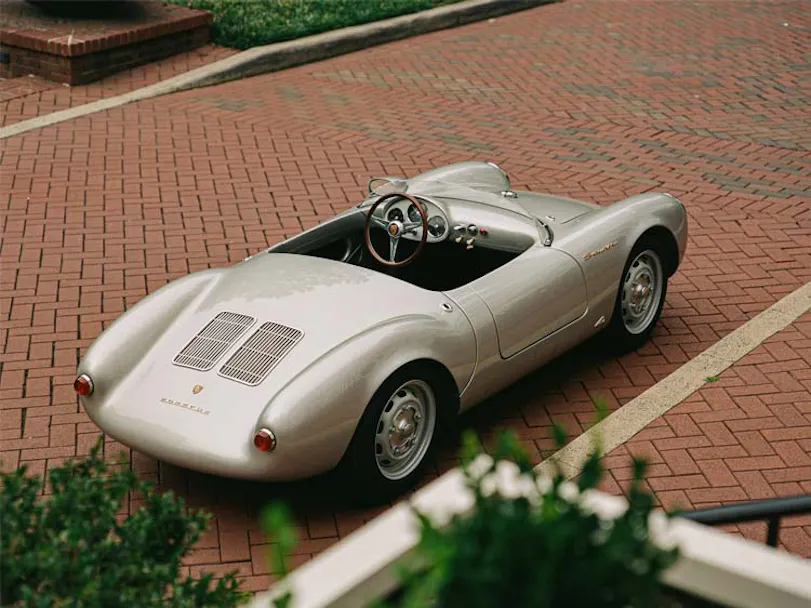
Hedley Studios spent years studying the Porsche 550 to understand what made it special. Founder Ben Hedley explains how the team recreated its design, engineering and driving character at 80 per cent scale
Read more
What is Formula E and how fast are the cars?
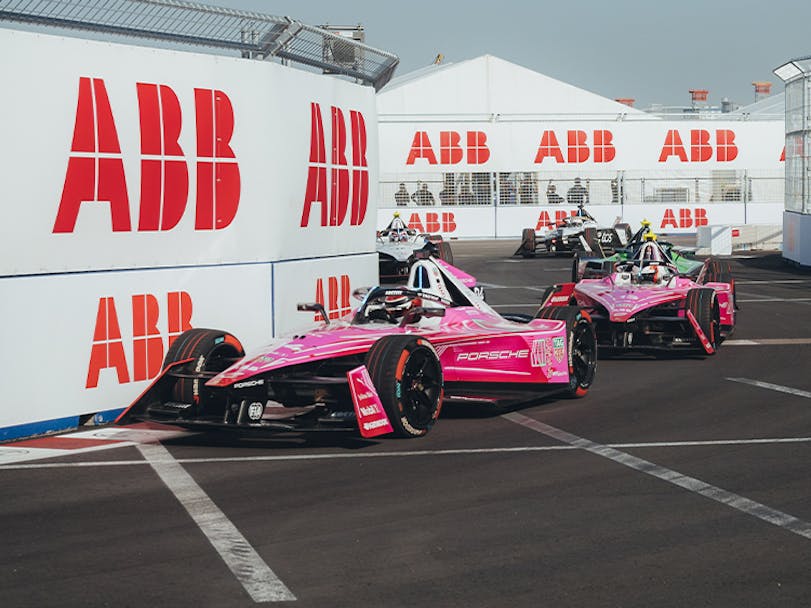
Formula E is one of motorsport’s most entertaining series. With Porsche entering works and customer teams in the all-electric championship, find out all about its hi-tech race cars
Read more