How to become a car photographer: advice from three Porsche photographers
From your first camera to finding cars to shoot, three photographers share what helped them get started
Copy link
Share on Facebook
Share on X
Share on LinkedIn
Angel Fonseca started photographing cars on an iPhone 5. Azzam Khan spent years experimenting with second-hand cameras and cheap lenses. Alongside Alec Pender, they explain how to find cars to photograph, develop your own style and get your work noticed
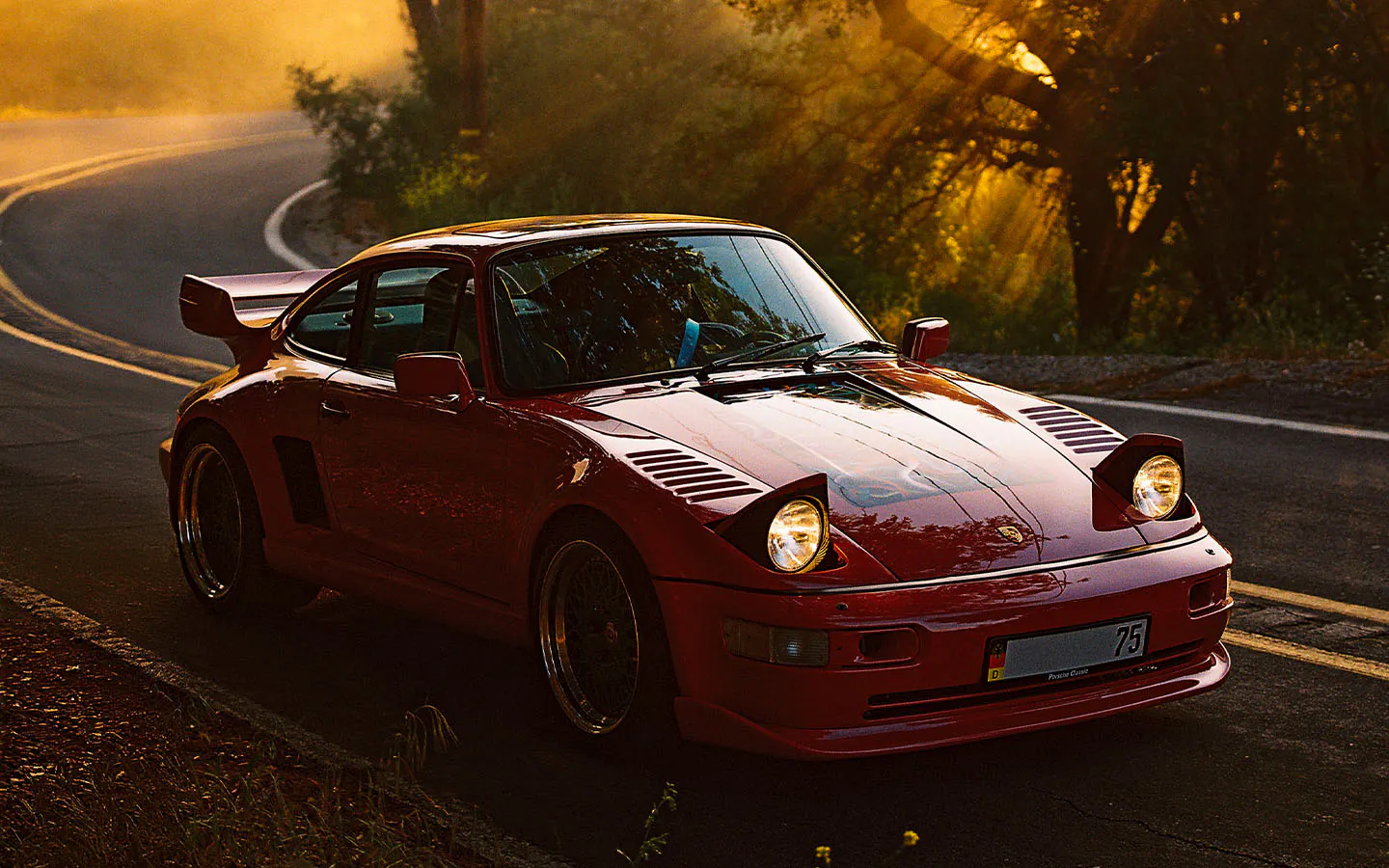
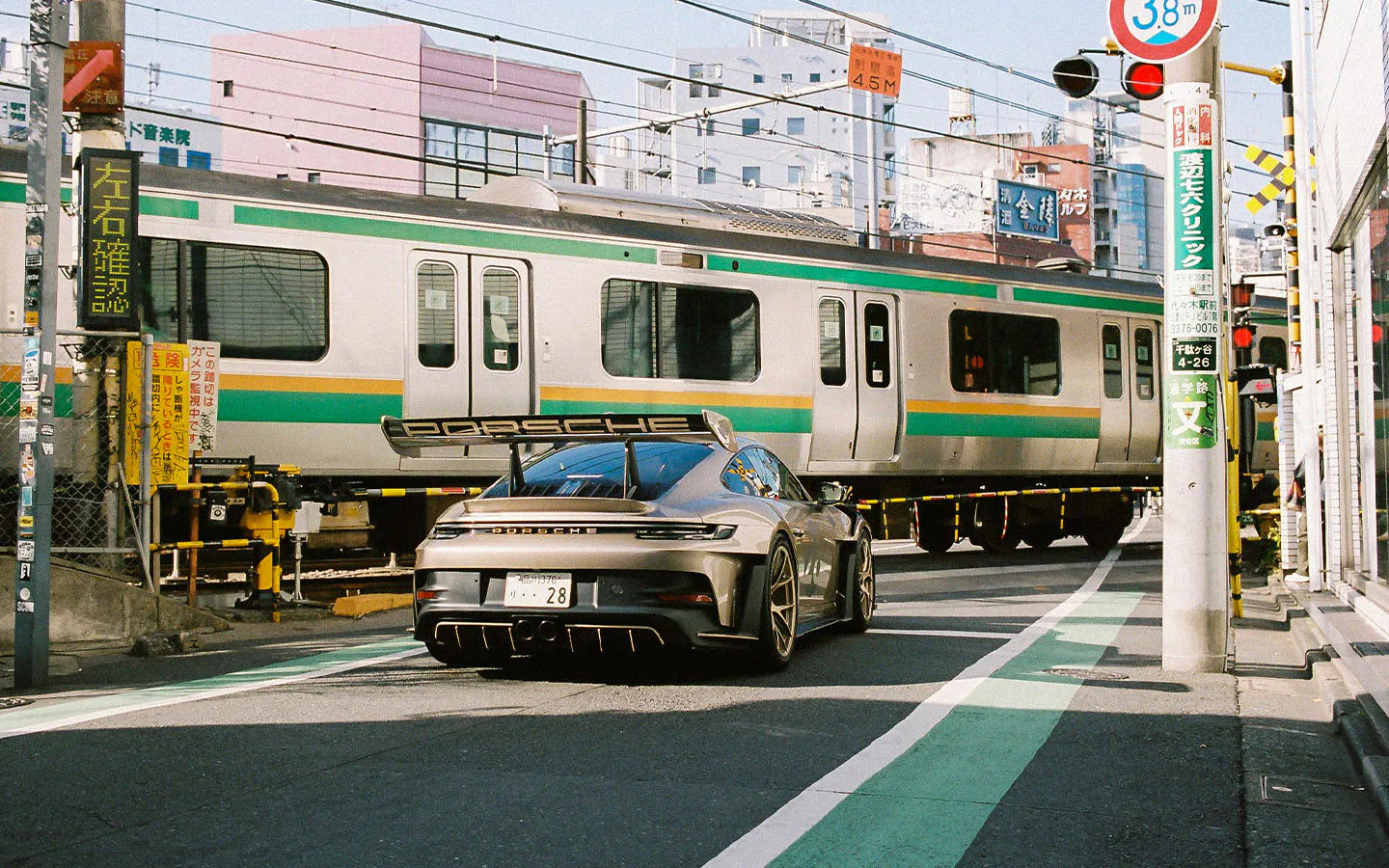
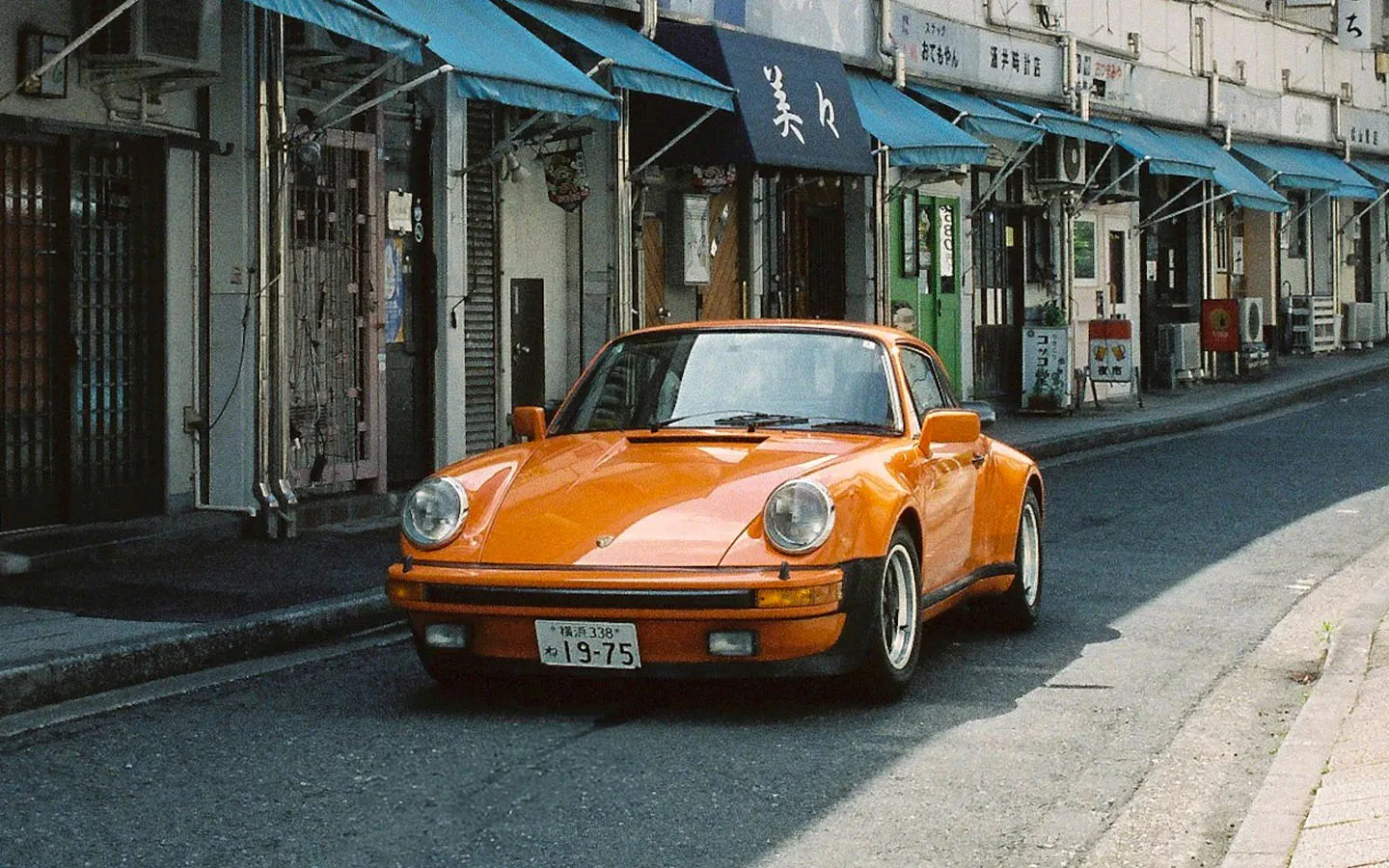
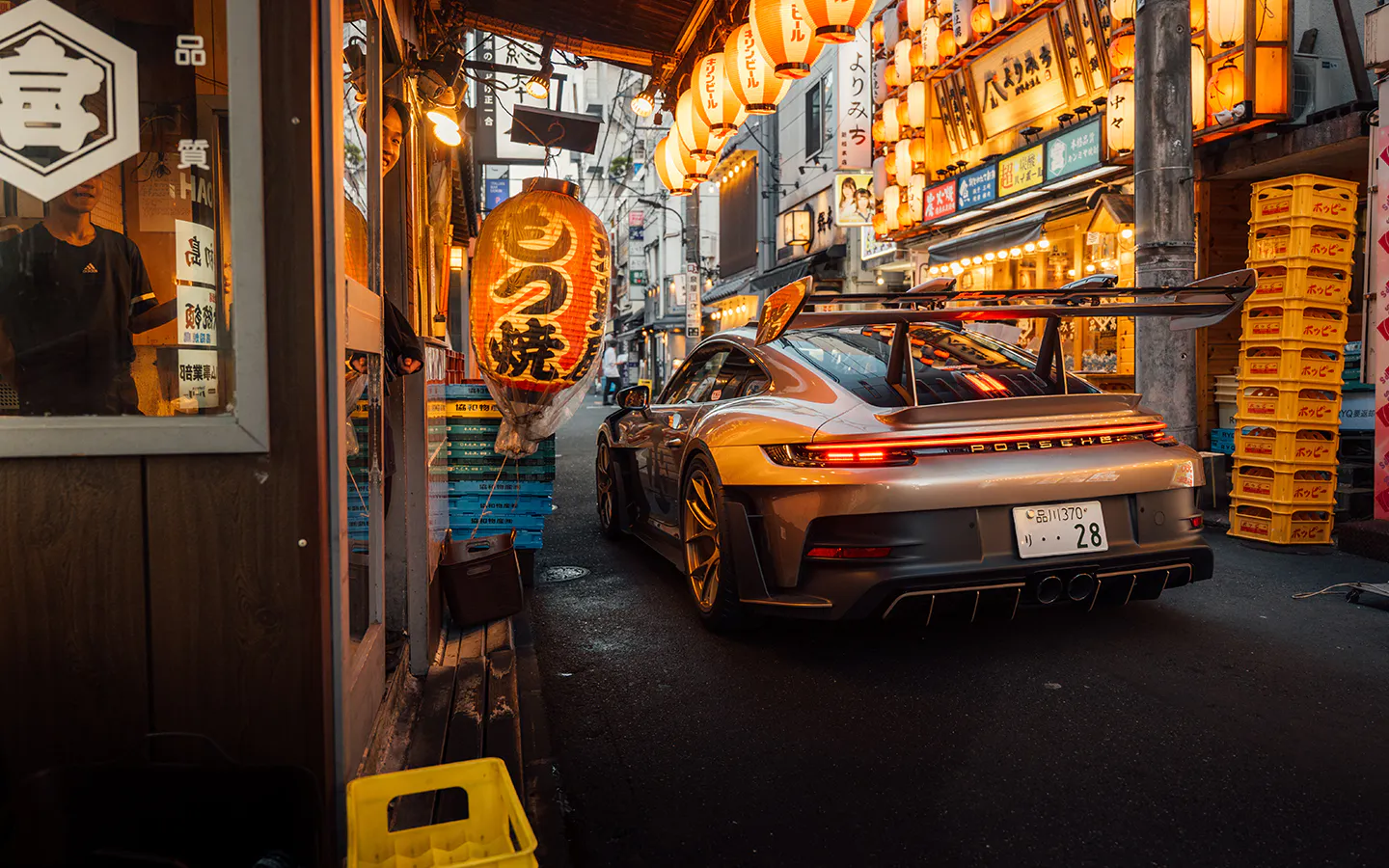
How to get started in car photography: fast facts• Start with the gear you have Angel spent his first year shooting on an iPhone 5, while Azzam used second-hand cameras and thrift shop lenses for his first five years. Alec advises prioritising lenses over camera bodies and always carrying a circular polarising (CPL) filter.• Develop your own style Angel and Azzam both found theirs through film photography. Azzam says shooting on 35 mm film forced him to slow down and think before pressing the shutter. Alec’s approach is built on location, framing and storytelling.• Think beyond the car The location, natural light and the owner’s story can turn an ordinary photo into something memorable.• Meet owners and join the community Angel and Azzam talked to people at car meets and sent Instagram messages with shoot ideas. Azzam accepted that plenty would be ignored but persistence pays off.• Share your work, but don’t chase trends Azzam says his Instagram reel of an air-cooled 911 in Tokyo attracted millions of views. But he still advises focusing on craft and sparking curiosity rather than collecting likes.• Keep shooting All three say experience can’t be bought. Alec adds that consistency gradually makes your photos recognisably yours.Azzam Khan didn’t expect much when, one evening, he posted a quick Instagram reel of a Porsche 911 emerging from a busy Tokyo backstreet. He had been out taking photos of cars with friends when he decided to film and upload it. By the next morning, the reel had attracted millions of views. Overnight, his work reached a far wider audience. Angel Fonseca’s photography journey began quite differently. As a child, his older brother would take him on drives and car adventures while the latter was filming skateboarding videos. Years later, Angel took that inspiration to start photographing cars with nothing more than an iPhone 5 before transitioning his career to analogue photography, slowly growing his following. Meanwhile, Alec Pender found his feet taking shots of cars at local car meets and drift events before moving to Japan in 2022, where his car photography really began to take off. Today, all three have developed their own distinctive styles and photographed some extraordinary Porsche cars. We asked them how they got to where they are today, what makes Porsche such an interesting subject, and what advice they would give to anyone hoping to follow in their footsteps.• Angel Fonseca @hijoflack• Azzam Khan @azzyjelly• Alec Pender @noplanscoBased in Toronto and Los Angeles, Angel Fonseca says that planning his shots in advance really helped move his photography forward Photo: Angel Fonseca • @hijoflack,Photo: Angel Fonseca • @hijoflack,Photo: Angel Fonseca • @hijoflack,Photo: Angel Fonseca • @hijoflack,Photo: Angel Fonseca • @hijoflack,Photo: Angel Fonseca • @hijoflack,Photo: Angel Fonseca • @hijoflackHow did you get into car photography? “My older brother used to skateboard and would make videos on his camcorder with a fisheye lens, and that’s what initially got me curious about photography,” says Toronto and LA-based film photographer Angel Fonseca. “As he got older, he started liking cars, and he would take me out on road trips and late-night drives. I remember when he took me out of elementary school to go to a car show in Toronto. It was one of the best days I had during my childhood years, and it is one of the main reasons why I fell in love with cars.”“From a young age, I’ve always loved cars,” explains Azzam Khan, a photographer currently based in Tokyo, Japan. “I started drawing them when I was five, picked up a camera at 12, and would shoot cool cars I spotted on the street.In 2022, I finally got the chance to shoot at a hypercar track day at Fuji Speedway. That was the first time I used skills I’d trained in other areas on what I had always wanted to shoot: cars.”For photographer and videographer Alec Pender, photography has always been a part of his life. “As friends began to buy cars, I bought cameras,” he says. “I started shooting at local cars and coffee meets and then moved into drift events. But it wasn’t until my move to Japan in 2022 that my real love for photography flourished.”How did your car photography style evolve over the years?Early on, Angel focused on developing his eye for photography and finding new perspectives that would interest people. “The thing that has changed the most over the years is my thought process behind taking an image,” he says. “When I first started out, I didn’t plan anything. Now, however, I think about the message the image will convey and the feeling I want to create for the audience.”Azzam started out in a similar way, shooting cars on the fly, without staging them. “But over time, I became more intentional and patient throughout the process. Now, I focus on finding the right car, pairing it with a curated location and letting the composition breathe. Starting to shoot on 35 mm film a couple of years ago played a huge role in helping me develop that approach. The limitations of film force you to slow down and think before pressing the shutter.”Meanwhile, Alec says that his early work was all about capturing whatever was in front of him. This involved street spotting, car meets and shooting from the grandstands at events without media accreditation. “Nowadays, it’s more about telling a story and spending time with car owners to capture all the details. Shooting for me today is fast-paced – and location is everything. Locations tell a story without words, accentuating details, features and angles that might otherwise get lost in a more polished setting.”How did you grow your following on Instagram?For Angel, it was simple. “I photographed things that I enjoyed and I stayed true to myself. However, switching to film photography helped me stand out, as there weren’t many film photographers in the car industry back then.”Azzam’s first proper shoot took place at night in Tokyo’s Shinjuku district with other photographer friends and a highly customised, street-legal race car: a widebody, air-cooled 911. “While shooting in a back alley, I took a quick POV video of me walking through the Tokyo crowd to reveal the car. I threw some music over it and posted the reel. I woke up the next morning to find that it had blown up completely, racking up millions of views. Combined with shooting alongside good friends, that lit the fire to keep at it. “Social media is flooded with content,” adds Azzam, “and it’s easy to feel pressured to chase trends or clickbait to stand out. But the real goal should always be to spark curiosity. You want to give someone a reason to pause, stare and wonder, or to make them feel something when they look at it.”“I have always found that consistency plays a huge role in building a real, engaged audience,” says Alec. “It took me years to establish a recognisable style, but once I had done so, consistency followed naturally. Over time, photos become identifiably yours, even without your name on them.”How did you find Porsche cars and owners to photograph?“I talked to people at car meets and sent lots of messages on Instagram to car owners, pitching ideas,” Angel shares. Azzam took a similar approach, spending hours finding and messaging owners whose cars he admired, sending proposals explaining what he wanted to create. “There were plenty of no’s and ignored DMs,” he says. “But whenever someone said yes, I would try to create something we would both love. I also formed friendships with other car photographers, and we would drop in on each other’s shoots. It’s always interesting to see how other creatives approach the same subject. As my portfolio grew, so did my credibility, and it became easier as people would reach out and ask to shoot with me.”Azzam Khan, who is based in Japan, credits shooting on 35 mm film with forcing him to slow down and think before taking a photo Photo: Azzam Khan • @azzyjelly,Photo: Azzam Khan • @azzyjelly,Photo: Azzam Khan • @azzyjelly,Photo: Azzam Khan • @azzyjelly,Photo: Azzam Khan • @azzyjelly,Photo: Azzam Khan • @azzyjellyWhat makes a good car photograph?“Lighting, composition, colour, scenery and storytelling,” says Angel. “All these elements allow the shape and design of the car to stand out. The advantage with Porsche is that its cars are very easy to photograph because the design elements and attention to detail are unparalleled. All of the angles and shapes flow nicely together.”“For me, it’s narrative contrast,” says Azzam. “Think about era, culture and history, and look for points of friction between them. Seeing a modern 911 GT3 RS in an old Tokyo market alleyway is instantly intriguing. Seeing a patina-covered, family-owned type 912 with a surfboard on the roof evokes nostalgia. When a photo sparks an emotion, it stops being just a photo of a car and starts to feel like something alive.”“Choosing the right location for a Porsche shoot often comes down to the owner’s story,” adds Alec. “Is it a daily driver on the street, a Sunday car for the mountains or a track car for the circuit? Each one fits its own setting. But if it’s a race car on the road, then you’ve struck photography gold. Framing is also extremely important. Although there are a million tutorials online about framing in photography, the goal is always to create a balanced frame where the location and car don’t clash.”What advice would you give to car photography beginners?“First of all, network, network, network! Tell everyone what you do, whether through word of mouth in your community or by showcasing your skills online,” advises Angel. “The more people who know about your passion, the better, as it will open up opportunities to shoot cool things with their help. Another thing I learned the hard way is that it really does take a lot of practice to reach a highly professional level. No matter how hard I tried to advance, experience and time in the industry were the only things that would get me there.”“If you’re new to car photography, pick a few inspirations from magazines or online,” says Azzam. “Try to mimic the angles, composition and staging. Practise what’s proven until you develop an eye for what you love. A mentor once gave me some advice that has stuck with me: ‘Use your early twenties to expand your potential – say yes to everything and demand nothing. Use your late twenties to start saying no. By your thirties, you’ll be exactly where you need to be.’ “Spend time practising until shooting becomes second nature,” continues Azzam. “Put yourself out there, meet people, take photos, edit them and repeat. Once work starts finding you regularly, begin filtering out projects that don’t fit, so you can focus on what will advance your career and, more importantly, your passion. Also, don’t shy away from big ideas or difficult tasks. Most people do, and that’s exactly why you shouldn’t.”“Take as many photos as you can with the gear you have available,” adds Alec. “Almost all modern cameras can take a decent photo. Lenses are more important than camera bodies, and you should always make sure you have a CPL [circular polarising] filter, no matter the set-up. I’ve also found that automotive photography works best when the sun rises at 5am and sets at 9pm. I swapped a 9 to 5 job for a 5 to 9 one, and I wouldn’t have it any other way.”Alec Pender, who is also based in Japan, suggests rethinking your working hours at those times of the year when the light is advantageous – it becomes less of a 9 to 5 job and more a 5 to 9 one Photo: Alec Pender • @noplansco,Photo: Alec Pender • @noplansco,Photo: Alec Pender • @noplansco,Photo: Alec Pender • @noplansco,Photo: Alec Pender • @noplansco,Photo: Alec Pender • @noplanscoWhat are the most common car photography mistakes for beginners?“The need for instant gratification, whether that’s likes, validation or money,” says Azzam. “Social media numbers shouldn’t be what convinces you that you’re good. Focus on your craft first and trends can follow later. I think we are all susceptible to the rat race before we have perfected our craft and, more importantly, our taste. It’s a never-ending endeavour, so you really have to love the process of learning and improving. Another mistake is being afraid to make mistakes. The more mistakes you make, the quicker you learn. Take the leap, fall, recalibrate and get right back to it.”For Angel, a common misconception is that beginners need the most up-to-date gear. “When I first started taking photographs, I used my iPhone 5,” he says. “I used that for a full year, trying to see how far I could push the limits with the tools I was given. It’s also important to develop your own style and stay true to it. Most importantly, have fun and don’t forget what got you into photography in the first place – keep that fire burning.” It’s a view that Azzam is also fully on board with. “Ignore the spec sheets, gear reviews and hype. For the first five years of my journey, I bought secondhand cameras and thrift shop lenses with broken autofocus motors so that I could experiment without spending a fortune. Creative thinking thrives in limitations.”• How to photograph a Porsche with Sebastian Kubatz• Car photography – 10 more Porsche photographers to inspire you• Classic Porsche photography – an expert guide• Top Porsche community Instagram posts (2025)• What happens when you photograph a Porsche 356 SL with a period Leica?
Maximum performance. The Porsche 911 GT3 RS
Configure yours
Continue reading
What happens when you photograph a Porsche 356 SL with a period Leica?
A historic Porsche, a vintage Leica and photographs straight from the lab, without added contrast or sharpening. How a carefully planned shoot produced an image its photographer never saw coming
Read more
How Ben Tuna turns fire-damaged Porsche cars into stained glass art
When LA stained glass artist Ben Tuna bought a rusty Porsche 911, little did he know it would inspire him to transform a fire-damaged Porsche 356 and 911 S into works of art exploring craft, history, loss and unexpected beauty
Read more
A guide to baseball player Shohei Ohtani, Japan’s World Series-winning hero
With unique skills with both bat and ball, the Japanese baseball star is taking his sport to a whole new level. Find out how on a Porsche Taycan road trip in LA
Read more