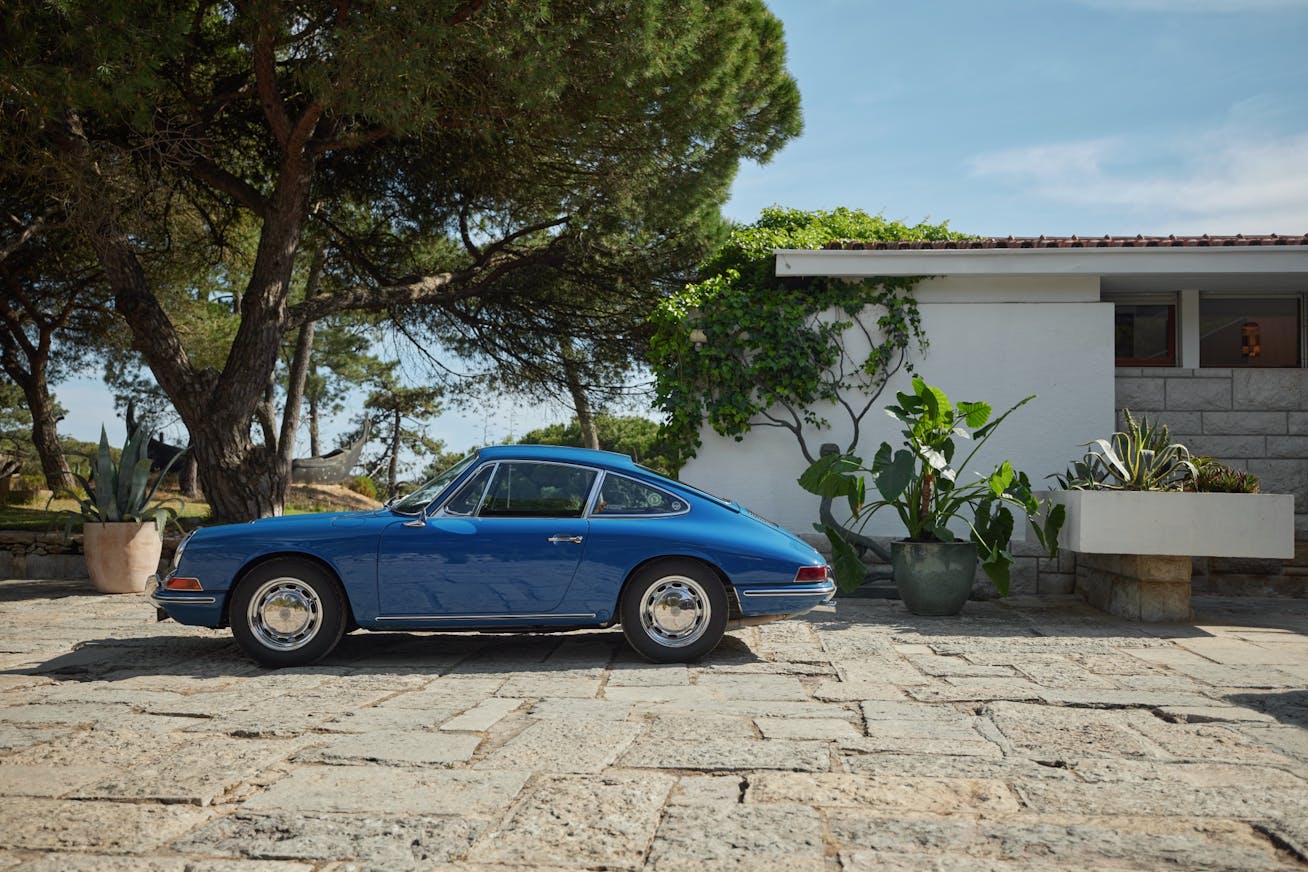
For more than 60 years, Porsche has done things its own way with the 911. The rear-engine layout was an engineering solution that has endured and evolved into an icon
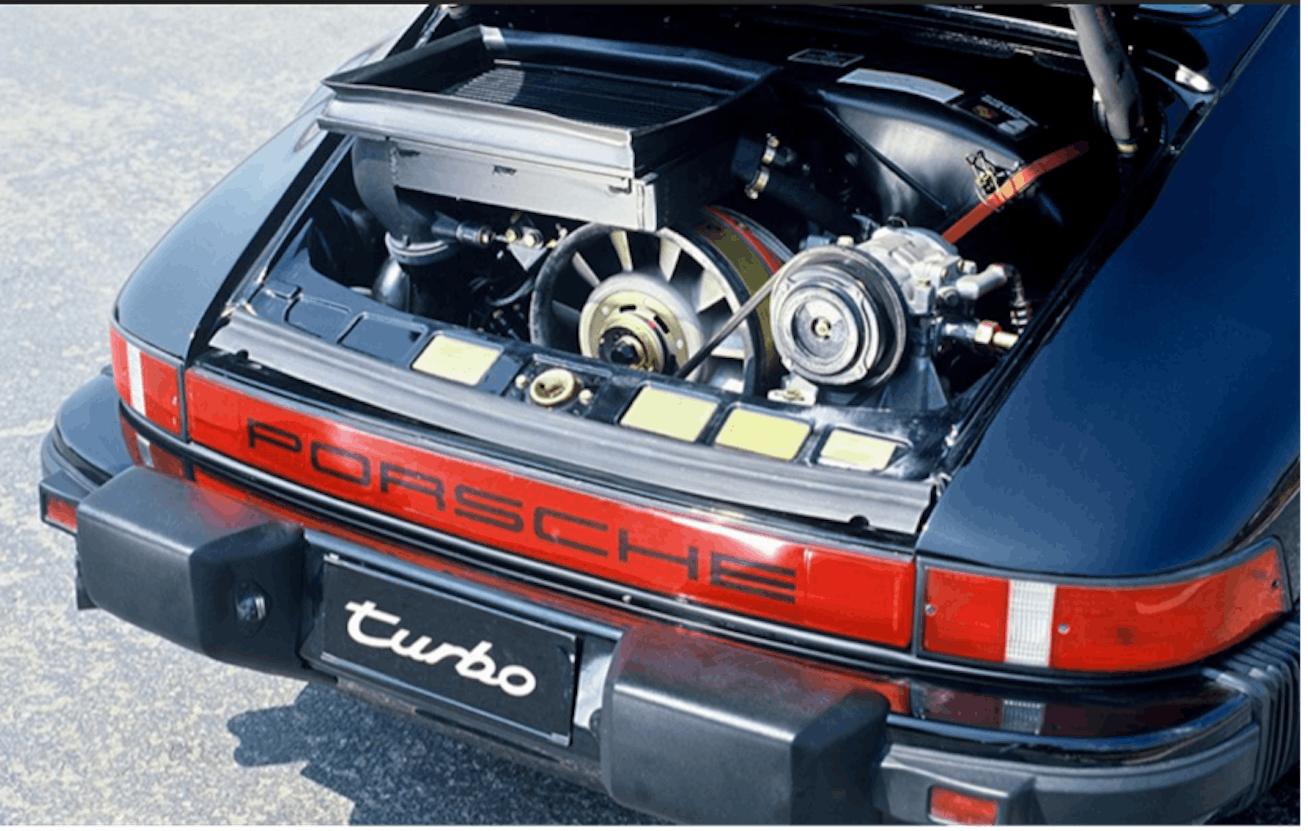
For over 75 years, Porsche has always done things wrong.Our critics said the ignition belongs on the right, we put it on the left. They said a real Porsche shouldn’t have four doors. We made four-door models that are faster than most two-door ones. They said sportscars could never be electric. We developed the Taycan. And they said the engine should always be in the front. In the 911, we put it in the rear.That particular story goes all the way back to the first-ever 911. In 1963, Porsche laid the foundation for what would become a timeless icon with the unveiling of a brand-new sportscar that, unlike most other vehicles, had its engine fitted in the rear. It’s an engineering legacy that has stood the test of time ever since. For more than 60 years, this ingredient has been the starting point for all further developments of the 911.Since the very first 911 was launched in 1963, Porsche has continually evolved and refined the 911, but one aspect has remained a constant – its classic rear-engine layoutThe reason was – and still remains – physics. When the engine is fitted in the rear, traction is improved because the weight of the engine rests on the driven axle, especially in winter or low-traction conditions. Braking performance is also improved, as the weight of a rear-mounted engine allows more braking force to be transferred to the rear wheels.911 – design icon That first 911, with its then air-cooled boxer engine in the rear, also meant there was no front radiator grille. It’s a combination that helped shape the layout of the car and since become a central strand of its DNA, helping turn the 911 into a global design icon.Eight generations of the 911 later, the boxer engine in the rear continues to be the most important facet of the 911 story.“The layout is so characteristic,” said Michael Mauer, who has been chief designer of Porsche for over 20 years. “The shape of the car is closely related to this layout. If I had to fundamentally change the layout, it wouldn’t be a 911 anymore.”The rear-engine layout of the Porsche 911 spanned the air-cooled era – like this 1986 930 Turbo – but remained with the introduction of water-cooled engines in the type 996 in 1997 right through to the modern dayWith the engine placed over its rear wheels, the design of the 911 possesses a unique iconography that can be traced all the way back to the first model. “The design of the 911 is characterised by a handful of design features,” Michael explained. “It starts at the front – a special topography where the wings are higher than the bonnet. And that’s because the engine is in the rear.”From what started out as an engineering solution, the rear engine layout of the 911 has gone on to define sportscar driving dynamics. As the perfectly-proportioned sportscar, wrong has become so right. And it’s why the 911 is now a timeless icon.
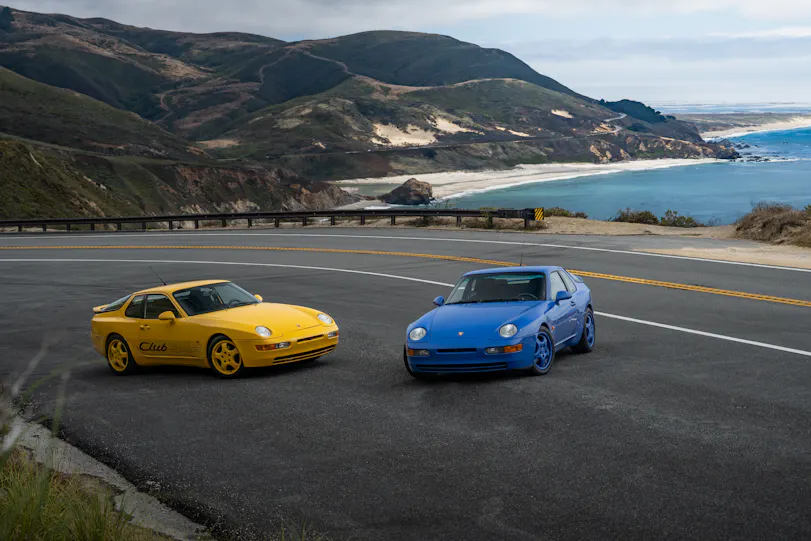
A guide to the Porsche 968 Club Sport. Why this lightweight driver’s car is gaining cult status
Seen by many experts as the high-point of the Porsche transaxle era, this 3.0-litre sportscar combines lightweight construction with stunning handling and performance
Read more
What are Porsche Ceramic Composite Brakes and how do they work?
Porsche Ceramic Composite Brakes (PCCB) were developed to offer drivers the very best in stopping power. This is how they work and why Porsche continues to refine brake technology for road and track
Read more
1,000 hp heroes – the Porsche cars with four-figure power
From legendary Porsche race cars to electric SUVs, these are the Porsche cars that have broken the 1,000 hp barrier
Read more