Tech jobs at Porsche: the Cayenne Electric engineer
The electromagnetic compatibility expert
Copy link
Share on Facebook
Share on X
Share on LinkedIn
As an EMC engineer, Viktoria Rudolph is responsible for the brain of the car, making sure all electric components work together harmoniously. It’s a critical stage in the car’s homologation process
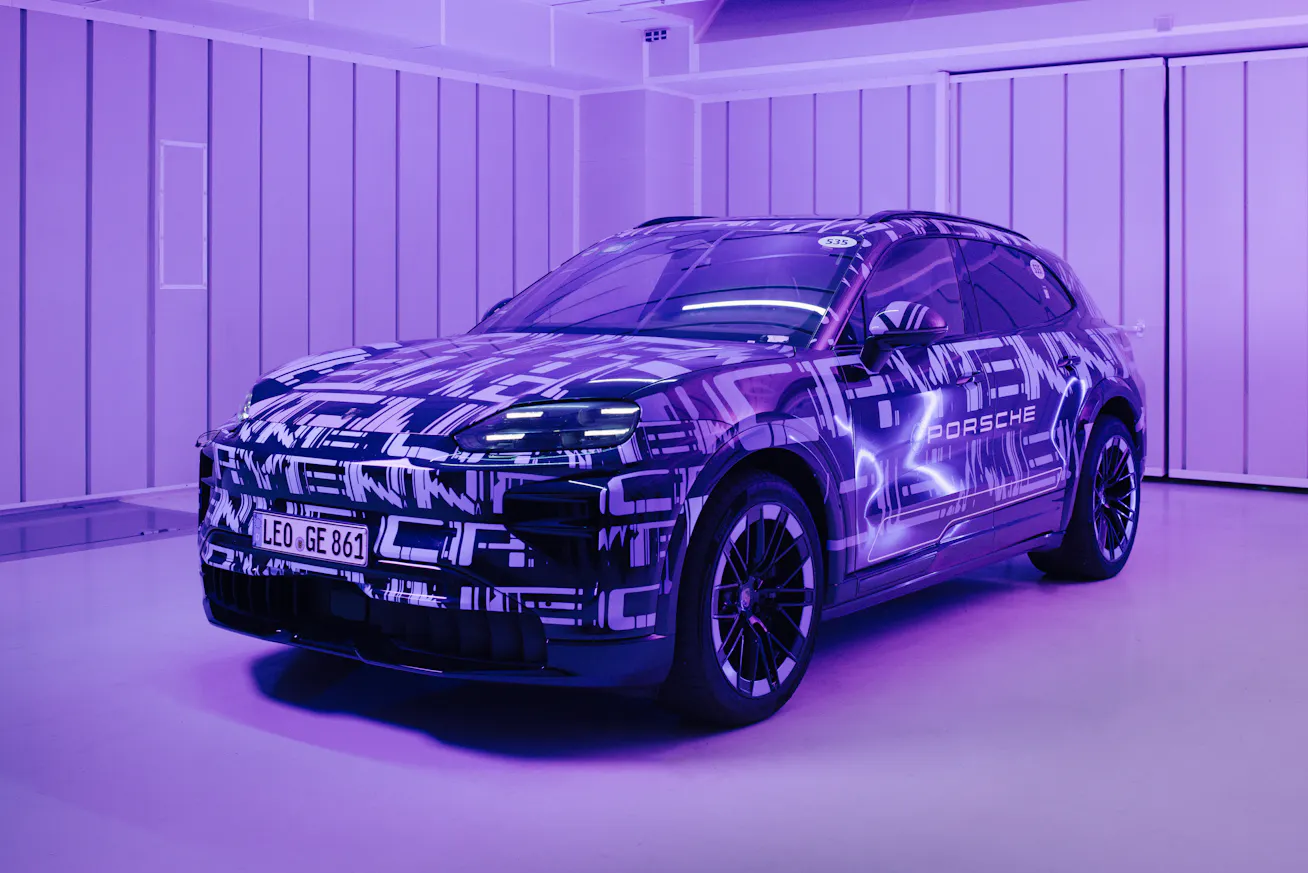
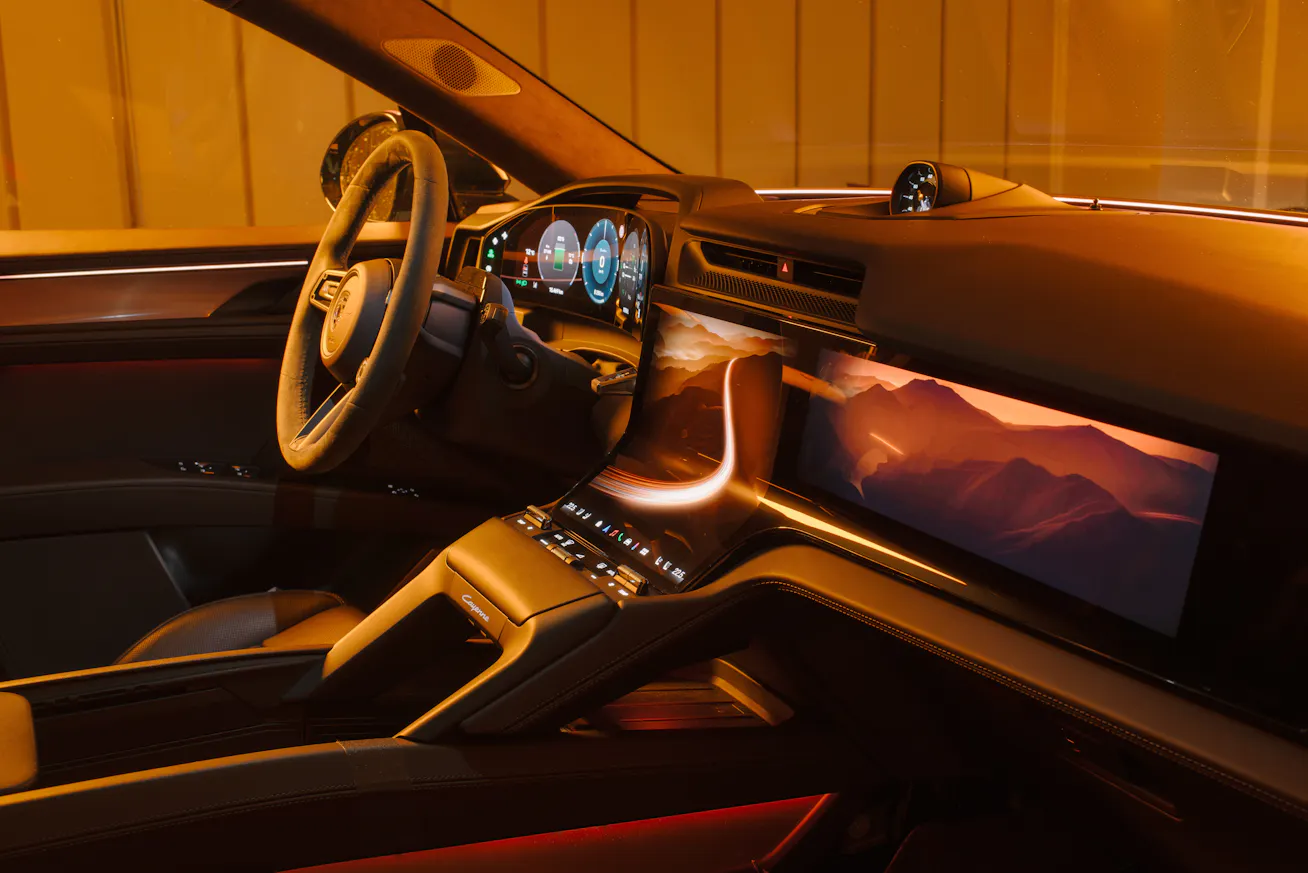
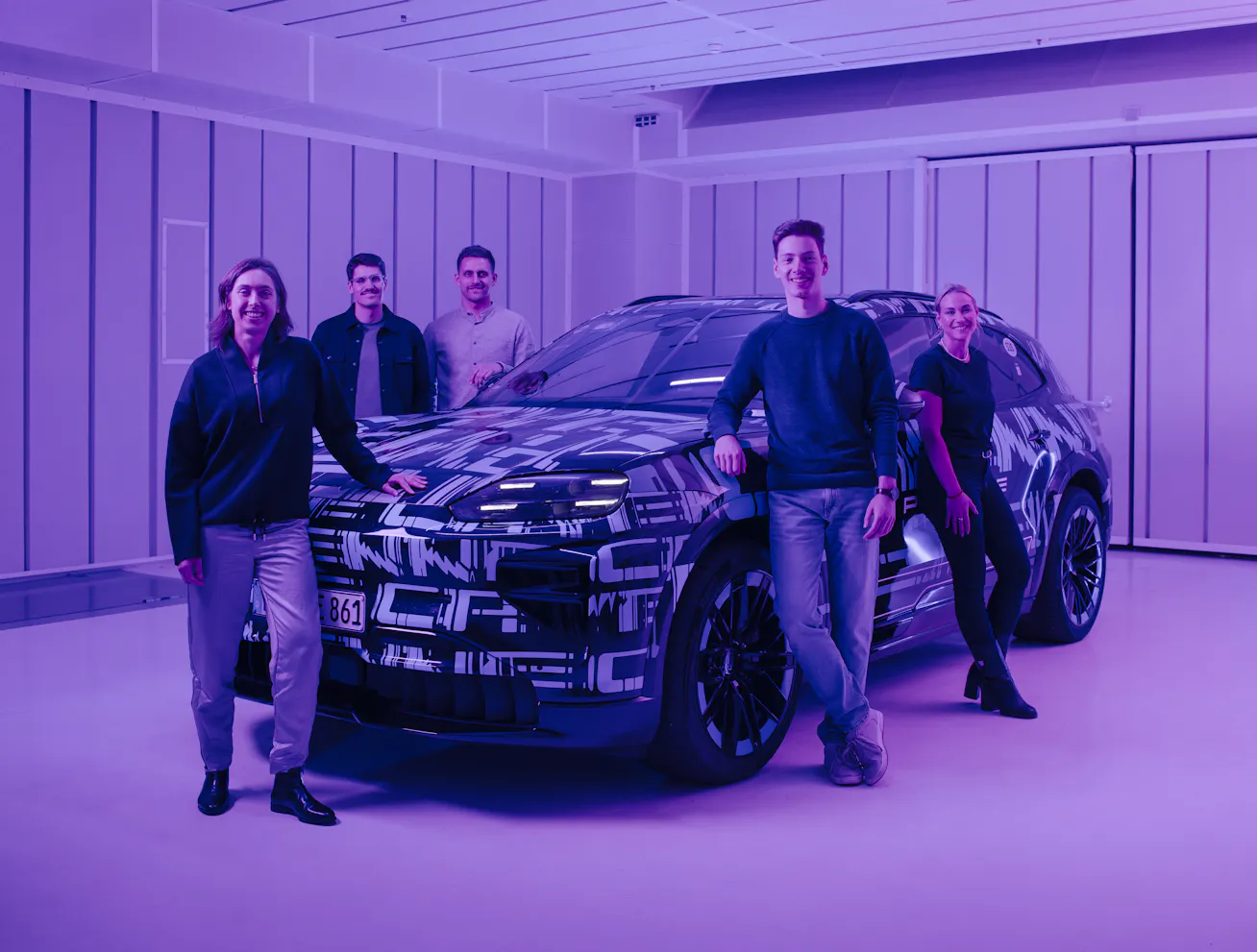
From charging systems to vehicle architecture, the Porsche cars of tomorrow depend on complex technologies working together seamlessly. That’s where Viktoria Rudolph comes in. As an EMC (electromagnetic compatibility) engineer working on the new Cayenne Electric, she helps ensure that electrical components operate exactly as intended without interfering with one another, and without compromising safety, performance or the driving experience. It’s a role that runs through the entire development process, from concept to final vehicle measurements and homologation sign off. It’s a role that also places her at the heart of some of the most exciting future Porsche technologies. Here, she explains what EMC is, why no two days are the same and what makes working at Porsche her dream job.Viktoria was heavily involved in the EMC development of the new Cayenne Electric Photo: PorscheWhat do you do at Porsche? “I’m responsible for EMC – electromagnetic compatibility – for the new Cayenne Electric.“Basically, the EMC covers two areas in vehicles. The first is the emission of interference, and the second is the resistance to interference. Just imagine: a car contains various control units that generate electromagnetic waves. On the other hand, these electromagnetic waves also couple from other vehicles to our vehicle.“This is an incredibly exciting specialist area, immensely diverse and also crucial for the development of components, electronics, vehicles and, ultimately, cool products on the road.“In the end, I support the whole development process, from the concept phase through component development to the final vehicle measurements for type approval.“It’s a broad role, because you work with many different departments across the company. In the end, I also plan and carry out the EMC vehicle measurements myself. That’s what makes the job so interesting. It’s varied, and no two days are the same.”What makes the work so exciting? “It’s the diversity of it. You work with different people, different technical challenges and different stages of the vehicle’s development. I really enjoy that mix.“I also like that it is not a job where you sit in front of a screen all day. There are meetings, of course, but there is also hands-on work in the lab and directly on the vehicle. That variety makes it really interesting. Besides, you often don’t know exactly what the day will bring, and that makes the work feel very alive."What motivates you most in your work? “The people, the technical questions, the problems you have to solve. All of that changes from day to day. I enjoy the fact that development vehicles always bring new challenges. To keep up with the latest developments, I was also given the opportunity to complete a professional integration study, a Master's degree in Electrical and Information Engineering, which really helps to navigate it all.”Viktoria’s work in EMC is critical to new Porsche models achieving final sign-off for road use Photo: PorscheWhat is it like working at Porsche? “There is a real sense of team spirit. Everyone is working towards one big goal, and there is a strong feeling of helping each other. What I also like is that you never lose sight of the customer. At Porsche, the aim is not simply to make the product good – you want to make it excellent. That mindset is a big part of the culture.”And what’s so special about Porsche tech?“It’s a great feeling to be part of such a future-focused development. Every day it’s about having the courage to experience new things and ultimately tackle them together.”What has been your proudest moment so far? “Definitely the homologation of the Cayenne. That is the final stage where you show that the vehicle meets all the required standards. What made it even more special was seeing the car presented at the IAA in Munich in 2025. After all the hard work we put into it, suddenly it is out in the world for everyone to see. That was a very proud moment for me.”Collaboration is one of the qualities Viktoria enjoys most about working at Porsche Photo: PorscheWhy is this your dream job? “Because I get to work on fascinating new vehicle projects and help create something that stands for excellence. To do that at Porsche makes it even more special. It feels like a privilege to be part of a brand that inspires so many people – and to help shape its future.”What is your earliest Porsche memory? “I remember going on a school trip to the Porsche Museum. That was a fascinating experience. I still remember seeing a bright green 911 standing outside. That image stayed with me.”What advice would you give to young people who want a career in tech or dream of working at Porsche? “Have the confidence to try. I would never have imagined at the beginning that I would get the chance to study with Porsche and then build my career here. Don’t be afraid to try new things, even if you do not know exactly how they will turn out. Many people never even take the first step. But you only find out what is possible if you try.”
Porsche Tech. Driven by You.
Shape the future of mobility together
Continue reading
How Ferdinand Porsche invented – and Porsche reinvented – the hybrid car
From the Semper Vivus and 918 Spyder to today’s 911 T-Hybrid models, discover how Porsche turned electrification into a performance technology
Read more
How Hedley Studios reinterpreted the Porsche 550 at 80% scale and 100% electric
Hedley Studios spent years studying the Porsche 550 to understand what made it special. Founder Ben Hedley explains how the team recreated its design, engineering and driving character at 80 per cent scale
Read more
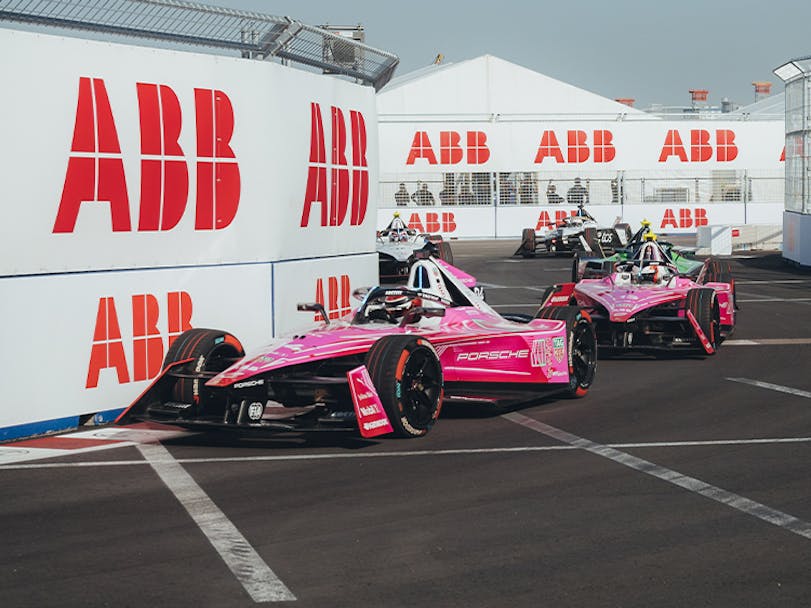
What is Formula E and how fast are the cars?
Formula E is one of motorsport’s most entertaining series. With Porsche entering works and customer teams in the all-electric championship, find out all about its hi-tech race cars
Read more