Hans Mezger and the Porsche engines that changed automotive history
How a boy from a small village near Stuttgart became one of the world’s most famous car engineers
Copy link
Share on Facebook
Share on X
Share on LinkedIn
From the revolutionary air-cooled 911 flat-six boxer to the 12-cylinder engine for the Le Mans-winning 917 race car, this is the story of the German engineer who powered some of the greatest moments in Porsche history
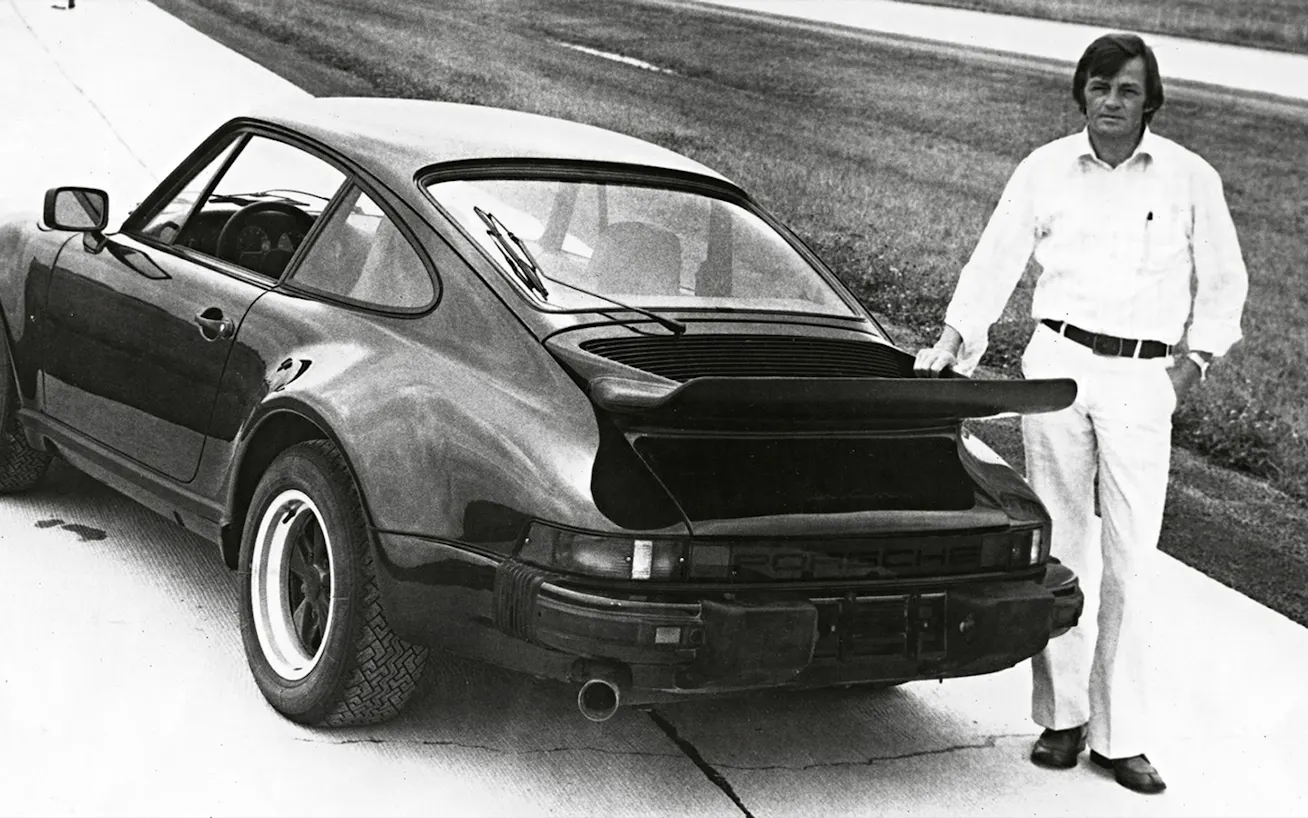
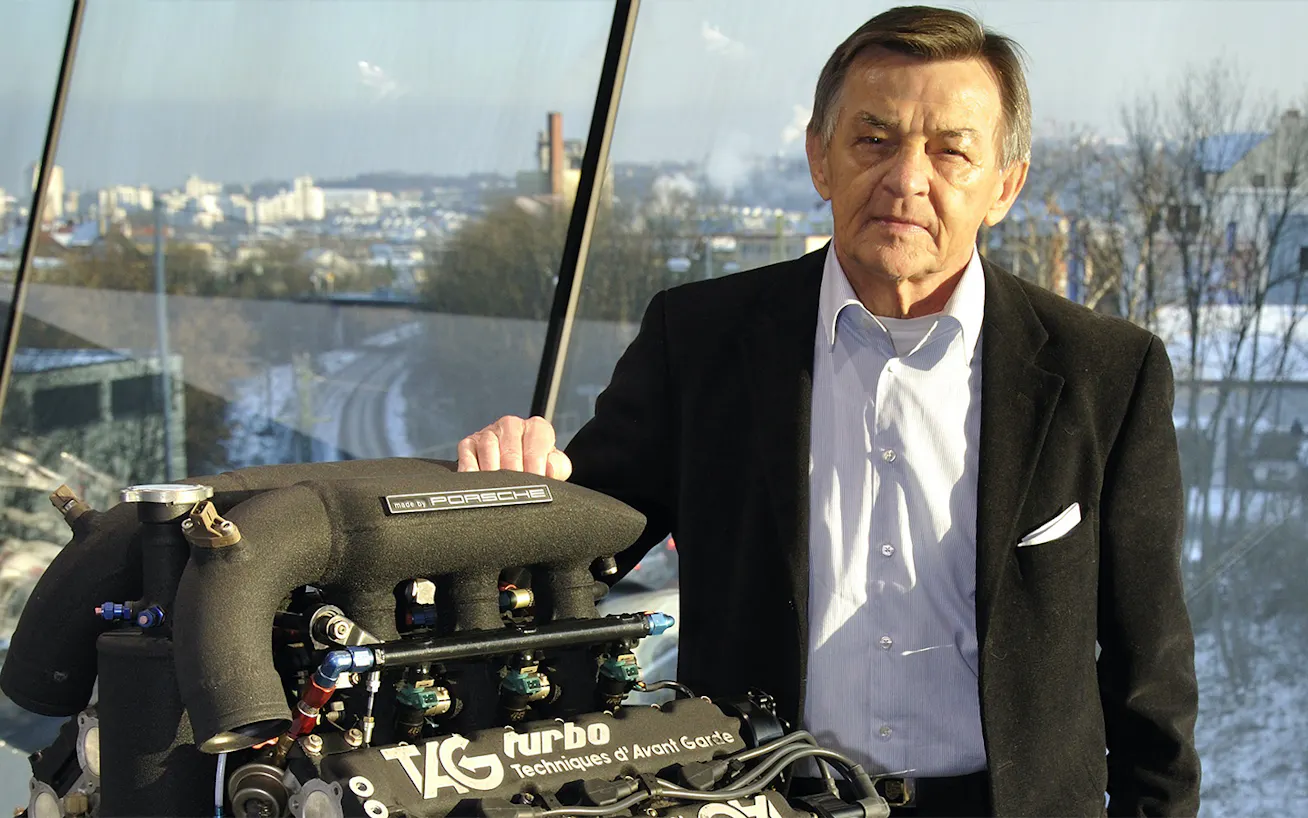
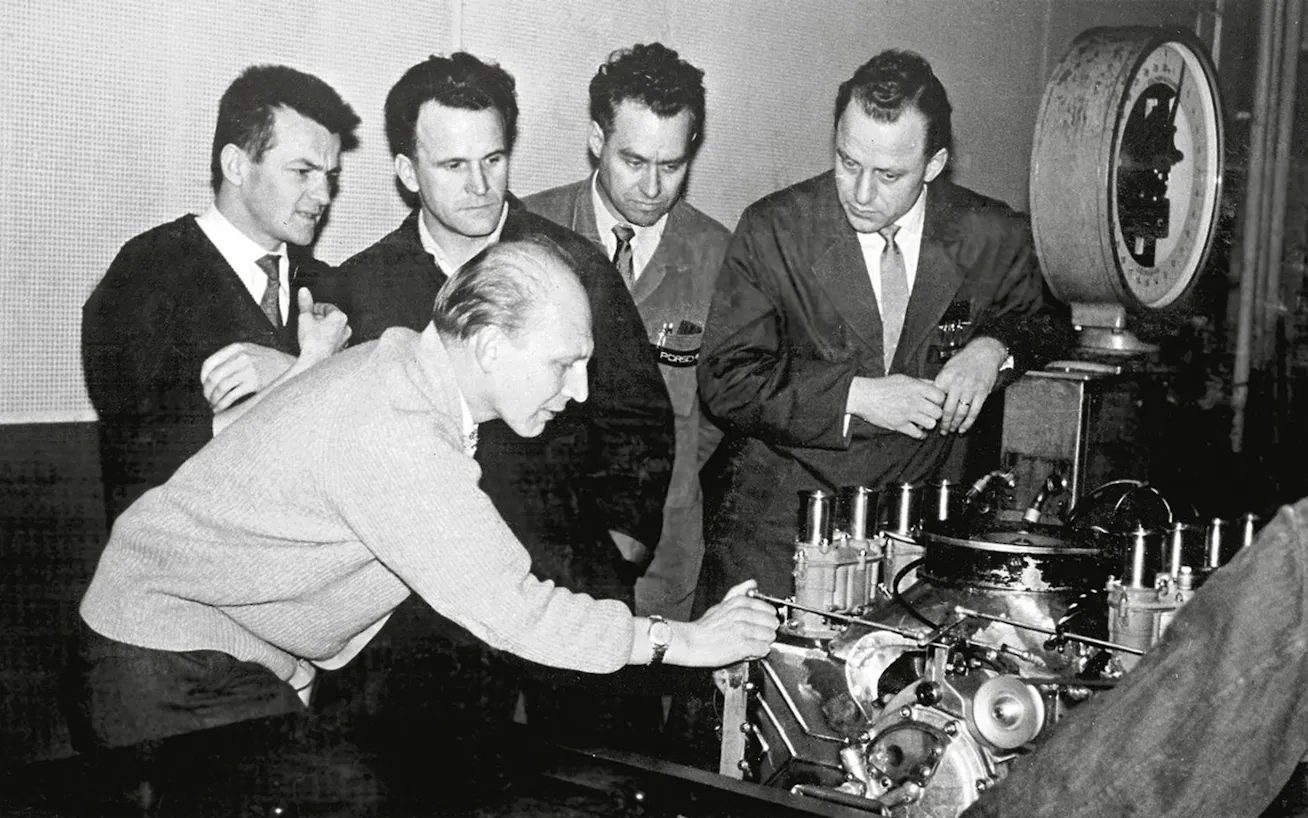
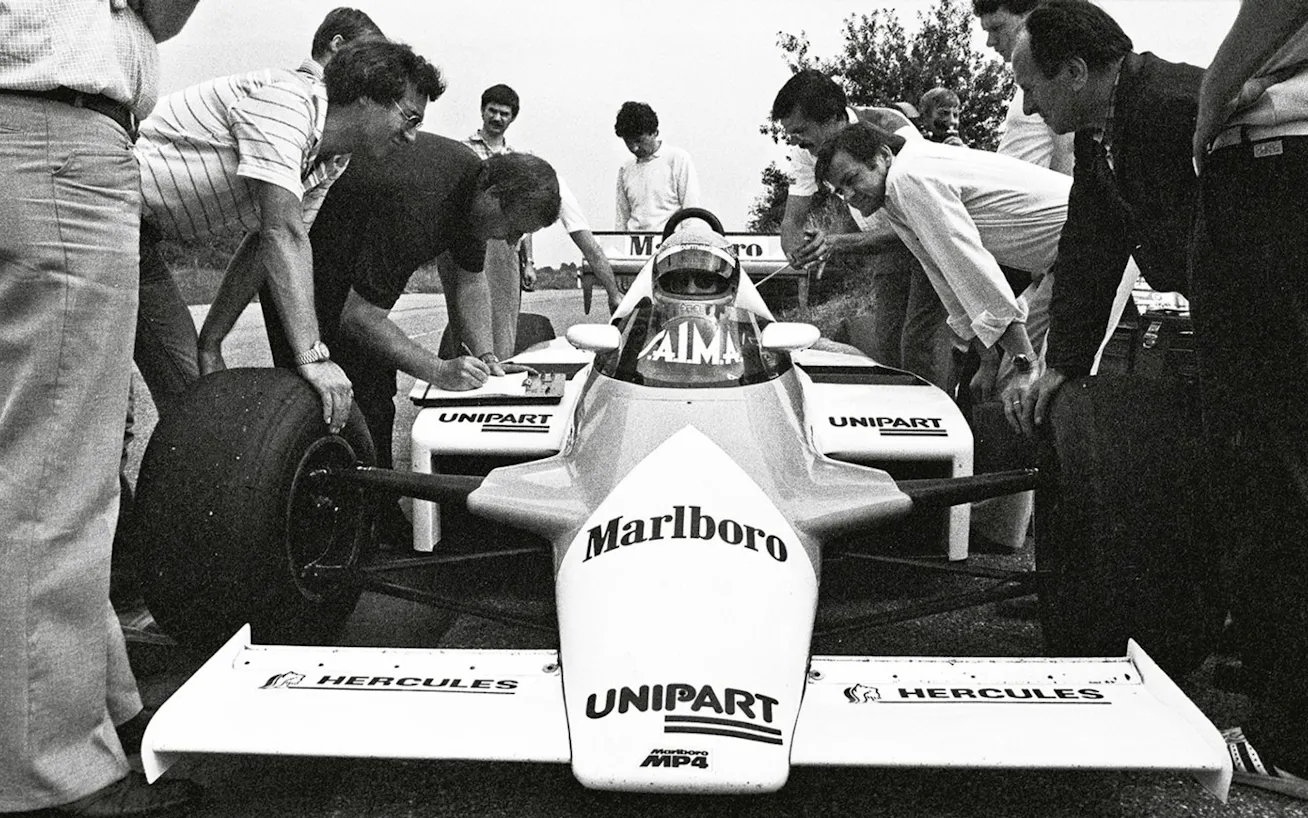
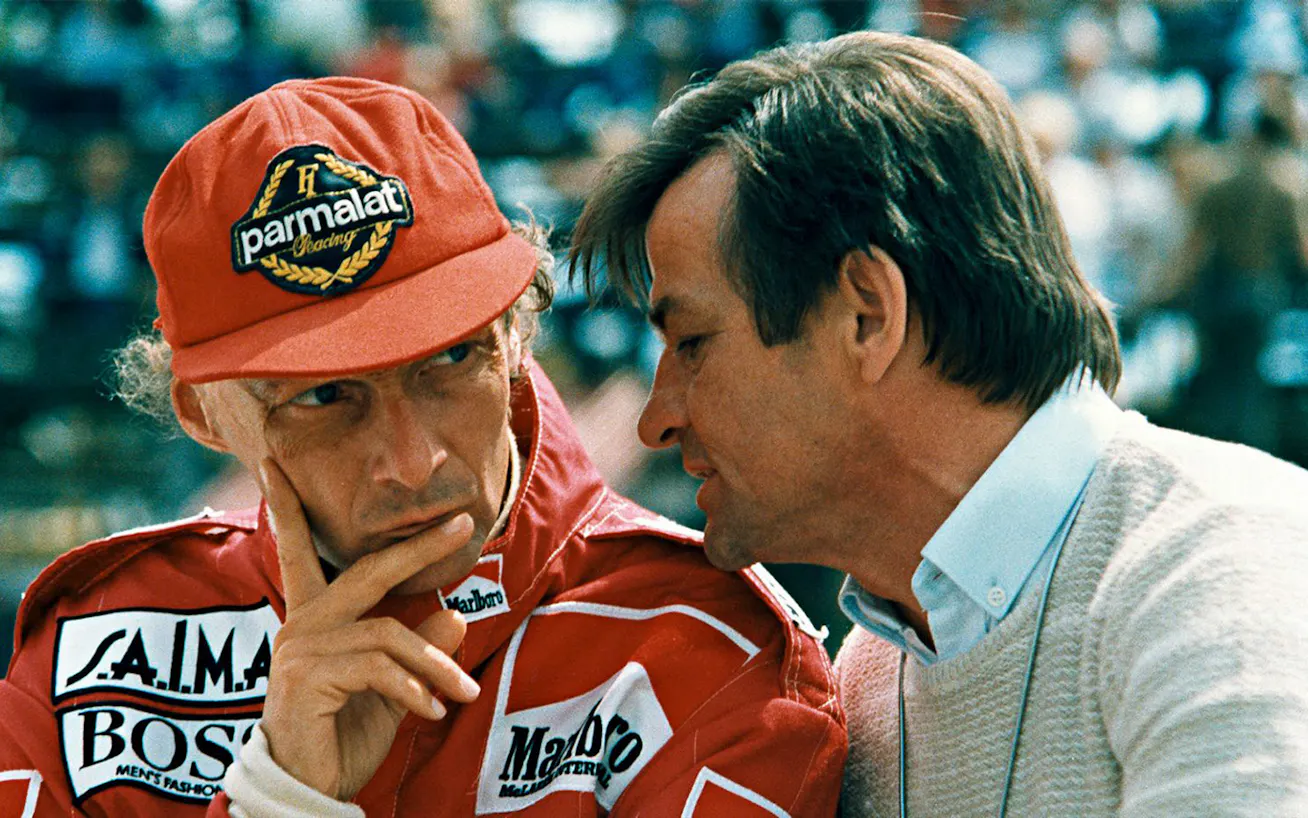
Which engines did Hans Mezger design for Porsche? The 911 flat-six boxer engine (1963), originally the 901 The air-cooled, 2.0-litre flat-six laid the foundation for generations of Porsche sportscars to come and established the characteristic sound and driving character of the 911. 917 flat-12 engines (1969-1973) The engine that would eventually power Porsche to its first overall victories at the 24 Hours of Le Mans in 1970 and 1971 and dominated the Can-Am championship in 1973. 911 Turbo (type 930) flat-six engine (1974) The engine that brought turbocharging from motorsport to the road. TAG-Porsche Formula 1 V6 turbo engine (1980s) Created for the McLaren Formula One team, helping it secure three F1 World Driver’s Championships. There is more than one thing that defines a Porsche, but right at the top is the unmistakable sound and feel of what powers its cars – its engines. That inimitable, intoxicating roar. The rising crescendo as the revs climb. The sensation of its driver, the road and the car becoming one. For generations of Porsche enthusiasts, these have always been considered part of the brand’s DNA. They are so deeply embedded that it’s easy to assume they have simply always been there. But every legacy begins somewhere. For Porsche, much of its success – both on and off the track – can be traced back to one man. His name is Hans Mezger. And this is his story. Hans Mezger was a motorsport enthusiast through and through. It was his desire to see the engines of Porsche road cars to be inspired and informed by the technology that powered its race cars Photo: PorscheWho was Hans Mezger and how did he become one of the most famous of all Porsche engineers? Hans Mezger was born in 1929 in Ottmarsheim, a small village near Stuttgart, Germany – the hometown of Porsche. Hans came from a family with a deep appreciation of the arts and culture, but while all five siblings showed a talent for painting or music, Hans’ creativity would find a rather different outlet. Fascinated by how things worked, he spent his childhood watching aeroplanes swooping overhead and visiting the airfield near Kirchheim to see gliders take to the sky. In the mid-1940s, he attended his first-ever motor race at Hockenheim. It would be an experience that left a lasting impression on the young Hans. Determined to turn his passion into a profession, he went on to study mechanical engineering in Stuttgart. When he graduated in 1956, he was offered no fewer than 28 positions by eager employers, but Hans turned down every single one. There was only one company he wanted to work for – Porsche. After securing an interview at the company, Porsche initially offered him a role in diesel engine development, which he politely declined. Sportscars were his true passion, and he made that clear from the start. Porsche listened and placed him in the calculations department instead. It would mark the beginning of an extraordinary career. His early projects included working on the four-camshaft Type 547 engine and the brand’s first Formula One programme in 1960, where he contributed to both the 1.5-litre eight-cylinder Type 753 engine and the 804 race car’s chassis. Yet an even bigger challenge was waiting just around the corner. A new sportscar project, codenamed the Porsche 901. A project that would soon become one of the most recognisable cars in automotive history in the form of the Porsche 911. Hans played a key role in developing Porsche turbo technology in the 1970s and 1980s. Here he is with the hugely successful TAG-Porsche Turbo engine he designed for the McLaren Formula One team Photo: PorscheThe Porsche 911 flat-six: an engine that defined a generation When Porsche began developing the successor to the 356 in the early 1960s, the company realised that they needed to come up with something revolutionary. While the designers poured over the car’s silhouette, the engineers faced a crucial challenge: creating an engine that would be worthy of the brand’s future flagship model. The result was a 2.0-litre, air-cooled, six-cylinder boxer engine developed by Hans Mezger and his team. Mounted behind the rear axle, this engine produced 130 PS (128 hp) in its original form and could accelerate the car from 0-100 km/h (0-62 mph) in 9.1 seconds, allowing it to reach a top speed of 210 km/h (130 mph). These figures might seem modest today, but over 60 years ago they were considered extraordinary. The boxer engine’s greatest advantage was its flat design, which made it possible to position the centre of gravity very close to the ground. Another was mass balancing, as a balance shaft wasn’t required. With both pistons on the inside, energy was produced that counteracted itself because it happened on the left and right simultaneously. The opposing action of the pistons – pumping away like a boxer – is probably why the engine earned its name. Over time, Hans and his team would add turbocharging technology to the boxer engine. The Variable Turbine Geometry – or VTG – improved the engine’s responsiveness even further. Thanks to all these developments, the boxer engine architecture , which was initially developed by Hans in the early 1960s, would influence countless Porsche 911 models for generations to come. Hans Mezger (pictured here, second left, in 1960 with fellow Porsche engineers) was involved in developing the engine for the Porsche 753, the company’s first Formula One car. His influence on Formula One engine technology would not end here, however Photo: PorscheThe Porsche 917 V12 engine that conquered Le Mans While his engine for the 911 established Hans’ reputation, it was his work on the engine for the 917 race car that helped elevate it to even greater heights. During the late 1960s, Porsche set its sights on winning the 24 Hours of Le Mans. It was a race that had garnered class wins for the company but not, at the time, an overall victory. To achieve this, the company needed a car capable of competing against the world’s most powerful endurance racers. This required the creation of an engine unlike anything Porsche had attempted before – an engine that could survive not just one race, but thousands of laps without burning out. With his team, Hans led the development of the extraordinary 4.5-litre flat-12 engine for the new 917 race car. The first season in motorsport for the 917 wasn’t without its struggles, however. At high speeds, aerodynamic lift made the car notoriously difficult to control. But Porsche knew it had something special and refused to give up. For the following season, engineers tackled the problem head-on, introducing a wedge-shaped aluminium tail that dramatically improved stability. The transformation was remarkable. By the end of the season, the engine capacity had grown to five litres, helping the 917 rocket from 0-100 km/h (0-62 mph) in just 2.7 seconds – a figure so astonishing that it still commands respect today. After years of pursuing its dream, Porsche finally secured its first overall victory at the 24 Hours of Le Mans in 1970 with the 917 K, piloted by the German/British duo of Hans Herrmann and Richard Attwood. Another overall win swiftly followed in 1971. For a company that had spent years chasing its dream, this breakthrough was a defining moment. And at the heart of it all was an engine developed under Hans’ guidance. In 1981, Hans’ TAG-Porsche engine helped power a golden era of success for the McLaren Formula One team. Here, Hans (wearing the white shirt, on the right) gets a close look at the car driven by McLaren’s Northern Irish driver, John Watson Photo: PorscheThe Porsche 917/10 (1972) and 917/30 (1973): the monsters of Can-Am Throughout the 1970s and 1980s, Hans was at the forefront of one of the most important technological shifts not just in Porsche but automotive history: exhaust turbocharging. The technology first found its way into the 917/10 race car, before reaching its ultimate expression in the legendary 917/30, developed for the fiercely competitive Can-Am series in North America. At its heart was a turbocharged version of the flat-12 engine in the original 917, showcasing just how much untapped potential Porsche engineers had discovered in forced induction. The 917/30 boasted a 5.4-litre V12 turbocharged engine, which produced an astonishing 1014 PS (1000 hp), allowing the race car to hit a top speed of 385 km/h (239 mph). The result was a racing car with brutal performance. The 917/30 went on to dominate the Can-Am Championship, winning six out of eight races during the 1973 season. 1974 and beyond: the Porsche 911 Turbo era Hans and his team worked throughout the 1970s to unlock the full potential of the turbocharging technology. In essence, that was to achieve something many manufacturers thought impossible: a turbocharged engine that was responsive enough for both racing circuits and on everyday roads. It culminated in 1974 with the launch of the 911 Turbo, known internally as the 930. It would prove to be a breakthrough that further confirmed the reputation of Porsche as an automotive pioneer. With an original output of 260 PS (256 hp), the 911 Turbo was one of the fastest production cars of its time. It also demonstrated Hans’ ability to translate state-of-the-art motorsport technology into performance that could be enjoyed by drivers of Porsche road cars. In the 930 Turbo, a controlled valve on the exhaust side regulated boost pressure, providing a smoother power delivery and making the turbocharged engine far easier to drive than many of its contemporaries. Increased to three litres and combined with an innovative fuel injection system, from day one the engine outperformed naturally-aspirated 911 models while meeting strict American emissions standards. This laid the foundation for decades of turbocharged Porsche sports cars – including those that we see in the model line-up today – as well as a string of victories at Le Mans and in the World Sportscar Championship and US IndyCar series. In 1984, the legendary Niki Lauda won the Formula One World Driver’s Championship for McLaren with the Hans Mezger-designed TAG-Porsche turbo engine Photo: PorscheThe 1983 TAG-Porsche Formula One engine By 1980, Porsche motorsport ambitions began to extend beyond Le Mans and endurance racing. When Ron Dennis, team principal of the British McLaren Formula One team, began searching for a new turbocharged engine to power the team’s drive to win the Formula One Driver’s and Constructors’ titles, Porsche emerged as the ideal partner. Rather than adapting an existing design, the decision was made to start with a blank sheet of paper. Porsche would develop an entirely new engine from scratch and support the programme directly at the racetrack. At the centre of the project was Hans, whose engineering expertise had already transformed Porsche motorsport fortunes. The resulting engine was a compact 1.5-litre V6 with an 80-degree bank angle, developed specifically for the exacting demands of Formula One. What began as an ambitious engineering challenge soon became one of the most successful partnerships in the sport’s history. Branded TAG-Porsche, the McLaren team’s new engine produced more than 1,000 PS (986 hp) and powered a golden era of success. Austria’s legendary racer, Niki Lauda, secured the Formula One World Driver’s Championship for McLaren in 1984, with the team also taking the Constructors’ title. They won the Constructors’ title again in 1985, with France’s Alain Prost taking the Driver’s title. Alain took the Driver’s title again in 1986. The TAG-Porsche Turbo engine would eventually claim 25 Formula One Grand Prix victories and helped two Constructors’ Championships, proving that Hans Mezger’s engineering brilliance thrived at the very highest level both in motorsport and on the road.
Find your perfect Porsche
Build your Porsche
Continue reading
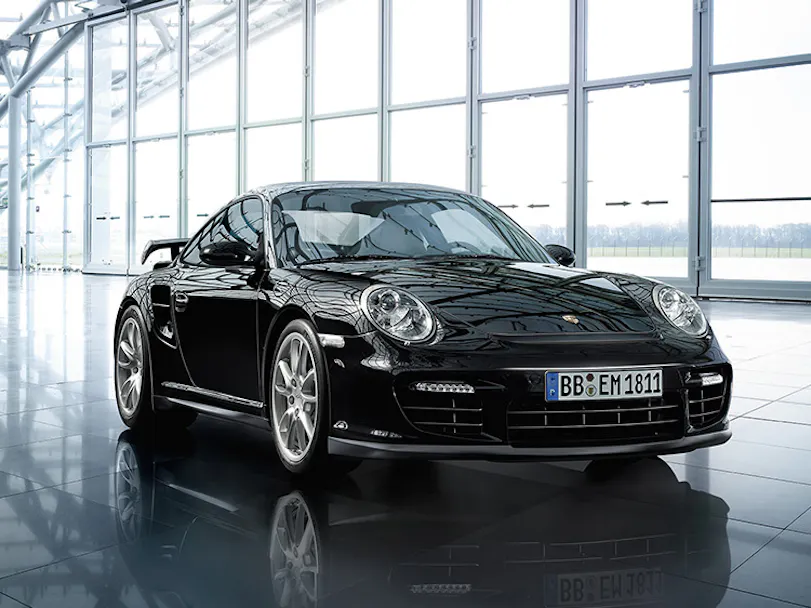
Download Porsche 911 GT2 wallpapers
Download a beautiful Porsche 911 GT2 wallpaper for your phone or computer’s home screen
Read more
Porsche Paint to Sample: how to find your perfect colour
Colour is one of the most personal choices when configuring a Porsche. Use the Paint to Sample Colour Configurator to discover more than 230 exterior shades, explore the stories behind them and find the one that feels uniquely yours.
Read more
The story behind by the Flachbau RS: created by Sonderwunsch, inspired by Porsche history
From its slanted nose to the 911 GT2 RS engine, 911 GT3 R rennsport rear wing and modified Manthey elements, the Flachbau RS is a one-of-a-kind Sonderwunsch car that combines performance and aesthetics, heritage and the future, packaged into a 1970s-inspired silhouette that is still a star turn today
Read more